
Get an MBA Grounded in the Real World
Augsburg University’s transformative MBA program combines rigorous academics with real-world experience, preparing you to excel in an ever-evolving global economy—all for the best value in the Twin Cities.
Prepare to lead and innovate with Augsburg's ACBSP-accredited MBA program in Minnesota. Designed for the ambitious professional, our 42-credit curriculum masterfully blends in-class theory with unparalleled real-world application. We equip you with not just a degree, but the practical skills and global perspective demanded by today's top employers, all at the best ROI in the Twin Cities.
Why choose Augsburg's MBA program?
- Our ACBSP accreditation ensures a business education that meets the highest standards of quality and relevance
- Advance your career without putting it on hold with our 26-month cohort model
- Collaborate with world-famous Mayo Clinic and Fortune 500 companies through experiential learning
- Expand your network and understanding of international markets with an optional study abroad experience in Europe.
- Invest in your future with the best value program, at approximately $28,308
What to expect in the Augsburg MBA
The Master of Business Administration at Augsburg University is designed with you in mind. Complete your accredited, affordable, and practical MBA degree in 26 months, one evening per week.
- Convenient schedule – Evening classes designed for working professionals
- Engaging format – Connect in person with fellow students in a small cohort model
- Experiential learning – Business simulations and field study with active companies
- Built-in support – Small class sizes means professors know your name and mentors offer guidance
- Global and local – Leverage technology to solve business problems big and small
Have more questions? Register to attend an info session.
MBA Concentrations
Explore our MBA concentrations to find the best fit for your career goals. Not sure which concentration is right for you? Connect with an admissions representative today to request more information and get personalized guidance.
The business analytics concentration has been designed for critical thinking by creating a solid foundation for MBA students to acquire the following skill sets:
- Analyze data using statistics and Excel;
- Visualize the data using Tableau;
- Deliver a recommendation based on the data.
Students will enhance their Excel skill sets through the Data Programming course using “R” and Python. They will be able to examine large data sets in the Predictive Analytics course and present the data using Tableau.
The business analytics concentration provides a pathway to numerous positions in the corporate, financial, and public policy sectors including the following roles: chief information officer, risk management officer, and senior financial analyst.
The leadership concentration offers students a unique credential and a full set of skills to lead and manage an organization, preparing managers to thrive in today’s interconnected world.
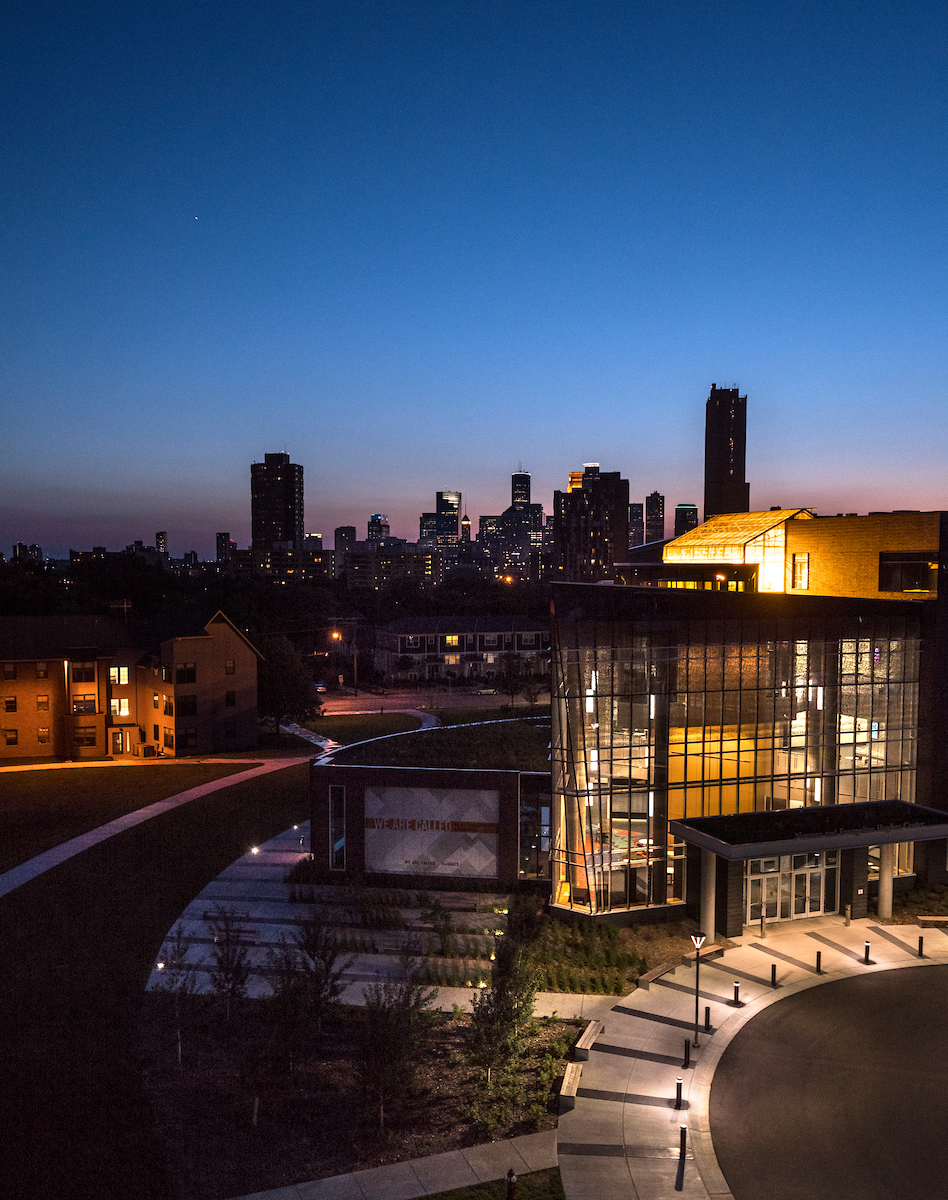
This MBA is for doers, movers, and shakers.
Augsburg’s MBA cohort model immerses you in real-world business simulations and hands-on field studies, giving you the opportunity to apply your knowledge in practical settings. This is experiential learning that online-only MBAs can’t provide.
How you’ll put theory into practice:
- International travel courses – Experiential learning with global businesses in Europe.
- Management Consulting Project – Collaborate with Fortune 500 companies, executives, and small businesses in field studies.
- Innovation Scholars Program – Gain hands-on experience combining business and biomedical research with the prestigious Mayo Clinic.
Upcoming Events
MBA Information Session
November 14th at 12:00 pm
Join us for an opportunity to learn more about our graduate programs at Augsburg! Connect with faculty and program leaders to review program objectives, educational delivery format, and what makes the graduate student experience unique. Our Graduate Admissions Team members will be available to address any questions to help you navigate the application process. Click the image above to register!
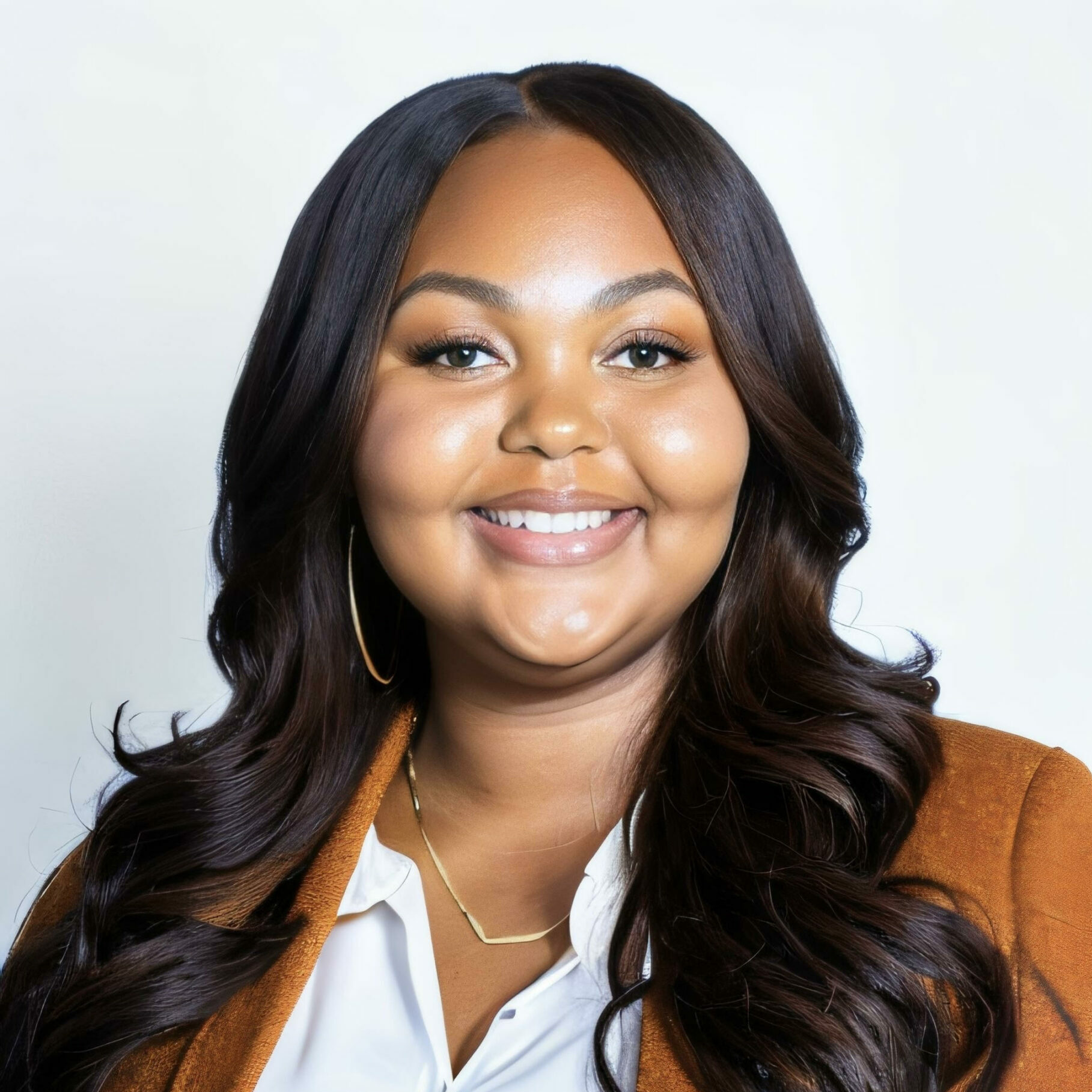
“With the mentorship of the Augsburg professors, the connections built between my cohort members, and the skills gained over the 26 months of the program, my understanding of business acumen developed greatly, and I landed an amazing opportunity in health care as a research analyst. The MBA program at Augsburg has been a paramount experience for me, and I will be forever grateful for this journey.”
Na'eema ’22 MBA
Faculty
Benefit from our faculty’s wealth of real-world experience, guiding you to success in and beyond the classroom.
Have Questions?
We are here to answer all your questions, provide guidance, and help you embark on a successful educational journey. Our personalized approach ensures that you receive tailored support every step of the way.
In The News
Read A Graduate Degree That Pays Off: MBA, from the Wall Street Journal (2021)
Accreditation
The Augsburg MBA Program is accredited by the Accreditation Council for Business Schools and Programs. Visit the ACBSP website for more information.
Augsburg University is accredited by the Higher Learning Commission. For more information, see Accreditation, Approvals, and Memberships.