
ABOUT THE AUGSBURG BSW
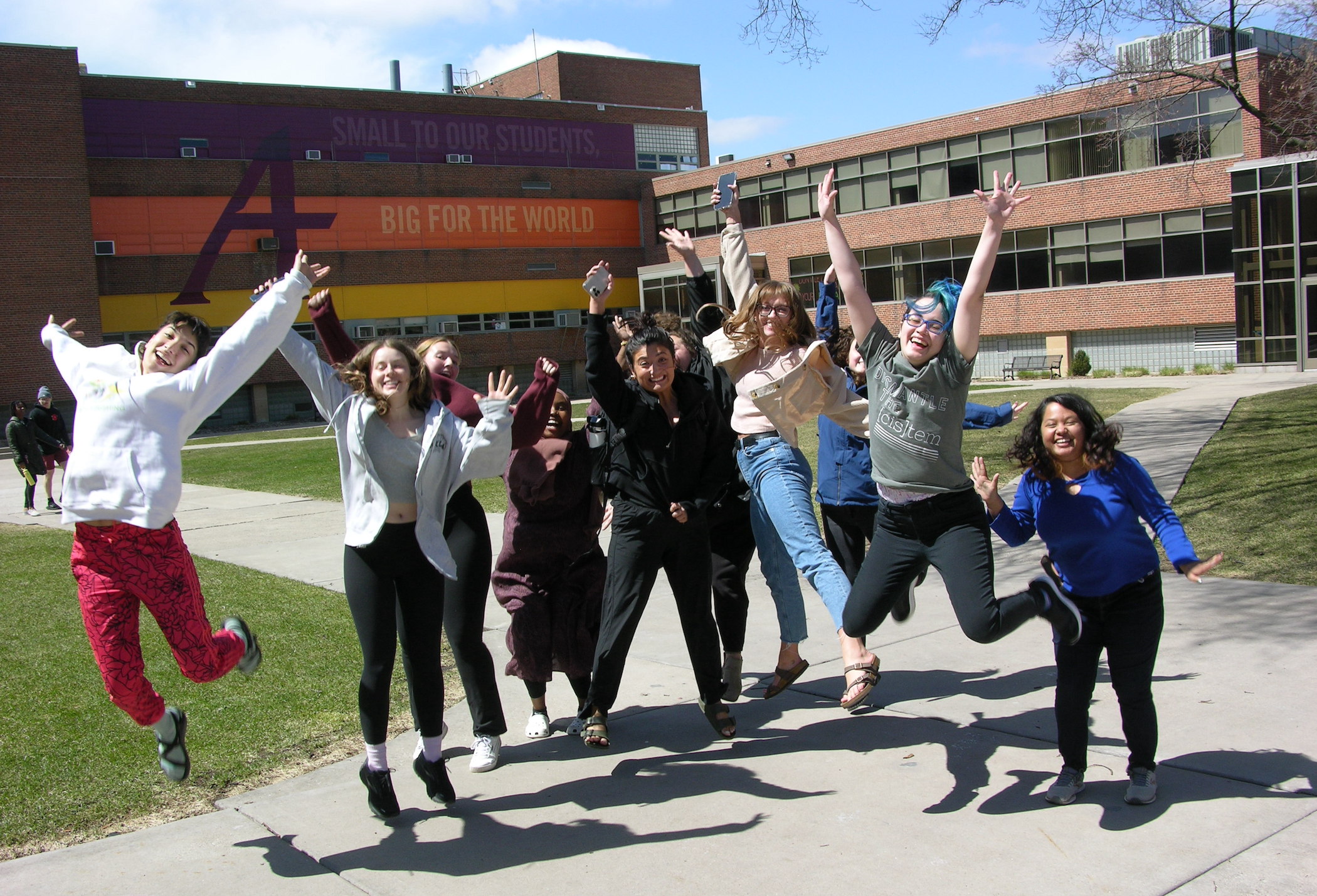
In the BSW program at Augsburg, you will find committed classmates, intern at top human service agencies, and be guided in your studies by some of the best social work faculty in Minnesota. The BSW degree is both an academic and professional degree. Interdisciplinary opportunities are accessible and rewarding. As a social work student you will be encouraged to be active and challenged to be excellent. The relationships you make with classmates, faculty, and our MidWest communities will last a lifetime.
Augsburg also offers social work-specific study abroad programs with our Social Work in a Latin American Context program in Cuernavaca, Mexico. Each spring, BSW juniors have the option to spend the semester studying abroad while simultaneously meeting the Council on Social Work Education’s curricular requirements. This program is rooted in social justice and transformational learning and experiential pedagogy. It provides students with global and intercultural social welfare context immersion the preparation needed to serve diverse populations both within the U.S. and internationally. For more information on the Mexico semester program and other short-term study abroad courses, please see the Center for Global Education and Experience (CGEE) website.
ACCREDITATION