
 Augsburg University has been awarded a $3 million grant over five years from the Health Resources and Services Administration (HRSA) to support graduate students in its Master of Social Work (MSW) program. The funding comes through HRSA’s Scholarships for Disadvantaged Students program and will deliver direct financial aid to students preparing for careers in clinical social work.
The multi-year grant provides scholarships of up to $16,000 per year for eligible full-time MSW students whose household income is at or below 200% of the federal poverty line. The program anticipates funding up to 40 students each year, reaching approximately 150 students over the five-year grant period.
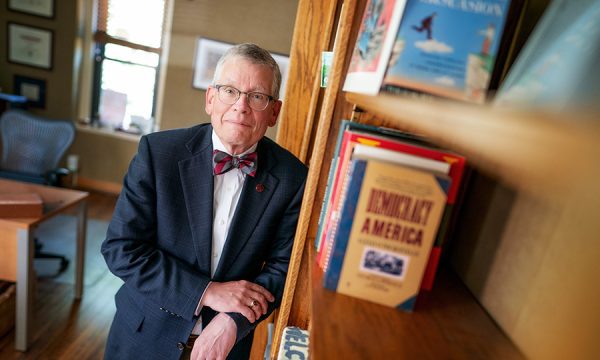
Associate Professor Erin Sugrue, who chairs the Social Work Department at Augsburg, said the grant will address the needs of current and future MSW students alike, allowing many to focus fully on their education and complete their degrees faster.
“We have some students who have been going part time because they can’t afford to not work as much to go full time. They have already reached out to us, saying if they’re eligible, they would choose to do next year full time, because the funding would allow for that,” Sugrue said.
Although Sugrue described the grant as “very competitive,” she said she also believes Augsburg’s ongoing commitment to supporting students from lower income backgrounds made them a fitting recipient. Likewise, the MSW program’s hybrid structure makes it a more accessible learning environment for non-traditional and lower-income students.
Another goal of the HRSA is to get more people working in primary care settings, where patients are more likely to access mental health resources. Augsburg also plans to expand its internship offerings and health network relationships in the coming years, widening the scope of placements from hospitals and private practices to mental health providers in primary care clinics.
Augsburg’s Social Work Department is currently identifying students for the scholarship and working to distribute funds. In exchange for scholarship funding, recipients are required to work in a medically vulnerable community for a minimum of two years after earning their MSW.
“A lot of our grads already work in medically vulnerable communities,” Sugrue said, “so there was a sense that we can already build on what we have. I think it’s a perfect fit for us.”
You Might Also Like
Blessing the Auggie animals
- on October 06, 2026
A milestone in the making
- on September 29, 2026