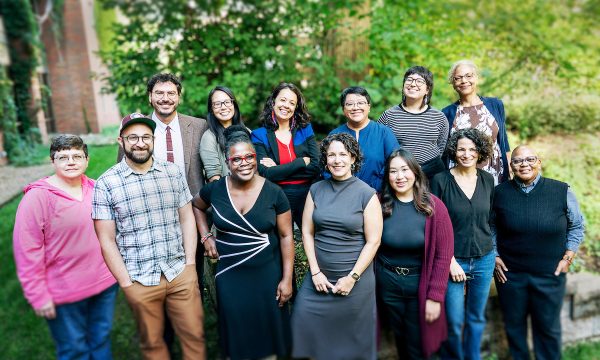

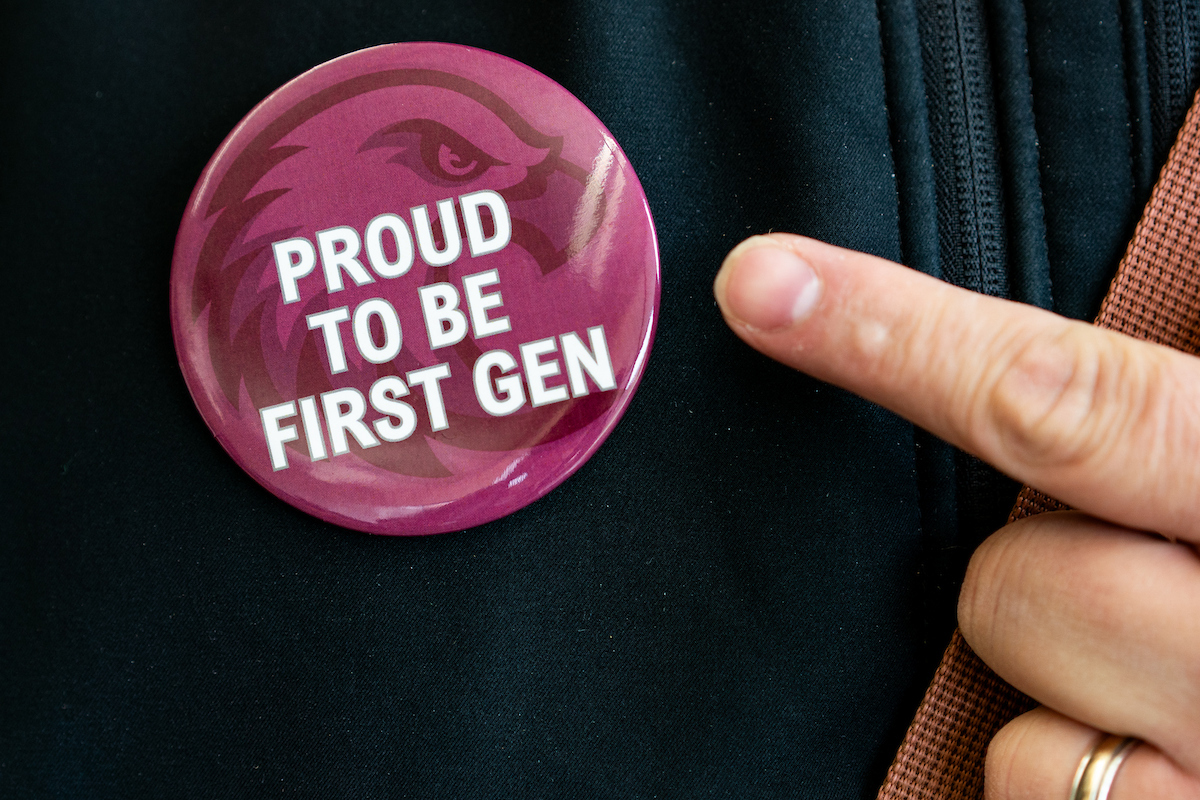
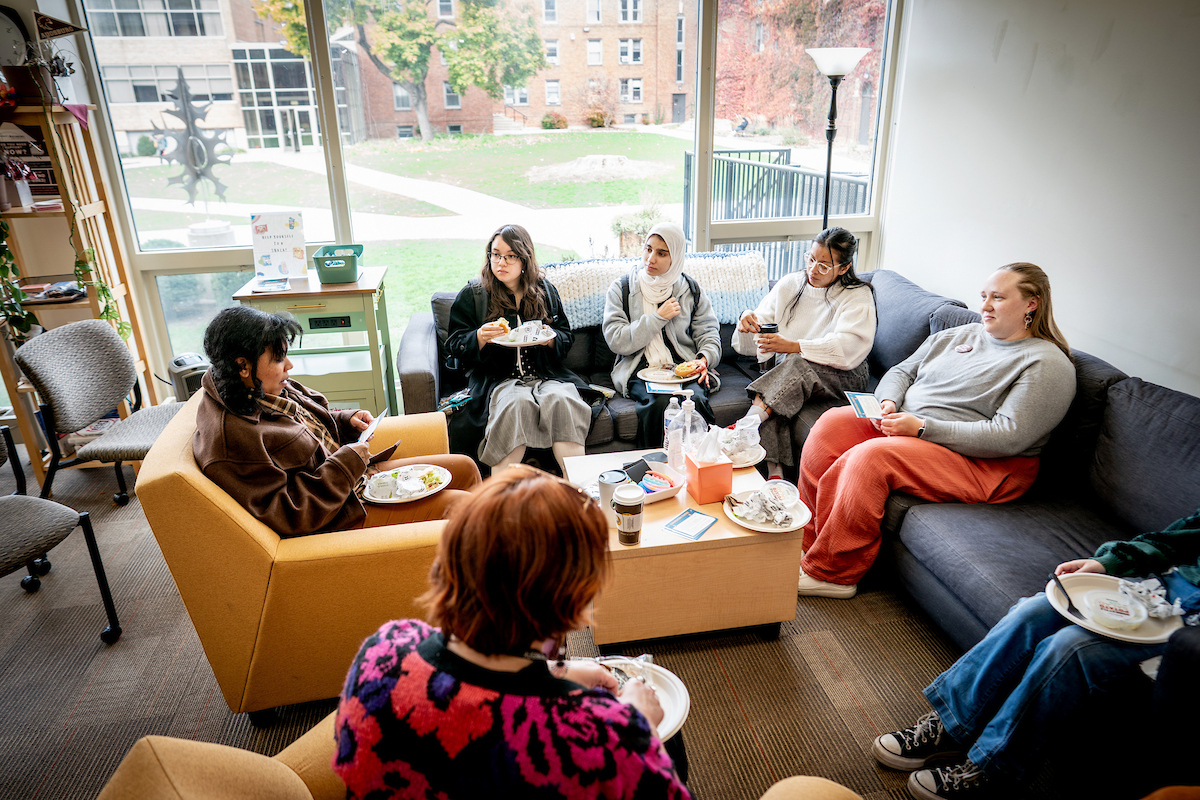
 From November 6–13, Augsburg University joined colleges and universities nationwide in honoring First-Generation College Week. Anchored by the official national celebration day on November 8, the week commemorates the 1965 signing of the Higher Education Act (HEA) by President Lyndon B. Johnson—legislation that created federal TRIO programs to expand postsecondary access, retention, and completion. The TRIO community subsequently coined the term “first-generation college student” in the late 1970s, defining it as a student whose parents or guardians have not earned a four-year bachelor’s degree.
At Augsburg, that national mission is deeply personal. First-generation students make up 57% of the university’s undergraduate student body, a milestone supported by Augsburg’s July recognition as a FirstGen Forward institution. President Paul Pribbenow emphasized how central this community is to Augsburg’s identity, demonstrating “a powerful testament to the drive, talent, and resilience that defines our campus.”
“First-generation Auggies enrich our classrooms, strengthen our co-curricular life, and challenge us all to live up to our mission of educating students to be informed citizens, thoughtful stewards, critical thinkers, and responsible leaders,” Pribbenow shared in a message to students, faculty, and staff.
Throughout the week, TRIO Student Support Services, Campus Life, the Strommen Center for Meaningful Work, Academic Affairs, and Athletics collaborated to host programming spotlighting the first-generation experience. The celebration kicked off on Monday, November 9, in the Christensen Center, where buttons and placards were distributed to first-generation community members and allies. In East Commons, attendees gathered for a lunch and learn, where first-generation panelists Queeta Lopez, Christopher Pham, Anna Li, and Sergio Madrid shared their personal journeys, challenges, and advice. Later that day in Hoversten Chapel, Augsburg Associate Professor and MSW Program Director Kao Nou Moua shared her own story as a first-generation college student in a message titled “No Matter Who.”
 The programming continued on Thursday, November 12, when the Strommen Center hosted First Gen Connect. This luncheon gave students the chance to build relationships with first-generation faculty and staff around their shared identities, utilizing conversation cards to spark dialogue. Beyond student-facing events, Augsburg also focused on institutional support by hosting a professional development session titled “Rooted Together: Faculty and Staff Roles in First-Gen Retention and Persistence,” proposing collaborative efforts to increase student engagement and retention.
Student-led groups also played a vital role in bringing campus together throughout the week with a variety of social, professional, and creative gatherings. The Augsburg Indigenous Student Association (AISA) and Queer Indigenous People of Color (QIPOC) co-hosted a lively Jeopardy game night to provide a fun, social evening for students. With support from the Strommen Center, the Augsburg Echo hosted a workshop offering job interviewing tips and tricks. A letter-writing activity was organized by the Augsburg Asian Student Association (AASA), sharing words of encouragement and advice with first-generation peers and the broader campus community. Rounding out the student programming, the Augsburg Student Art Society (ASAS) invited students to visually represent their pathways to college by providing materials for comic strips, booklets, and zines.
Beyond the week’s celebration was the launch of Augsburg’s Internship Access Fund, an initiative through the Strommen Center that aims to support current students by providing stipends for unpaid and underpaid internships. As the first in her family to attend college, Director of the Strommen Center Jessica Truong-Castellanos said she understands firsthand the hurdles first-generation students face and the difficulty of balancing work and studies.
“As a BIPOC first-gen student, I was learning how college worked as I went, and a lot of it nobody explains,” Truong-Castellanos reflected. “I started at a private college and transferred to a big public university. I paid for school on my own. I took out loans. I kept working.”
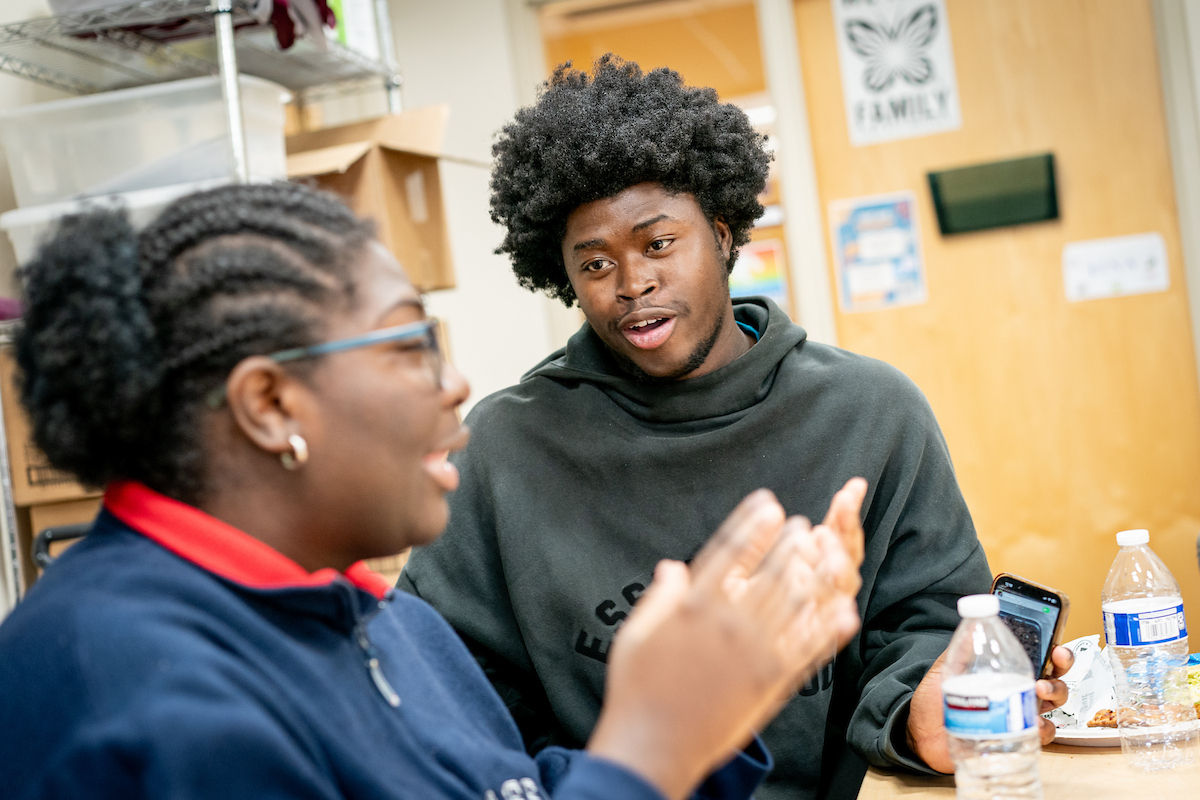 For Truong-Castellanos, unpaid internships that were meant to be viewed as opportunities were completely out of reach. Now, her work at Augsburg will enable current and future Auggies to say “yes” to these same types of opportunities, applying classroom learnings to real-world scenarios while still being able to pay their bills.
“Many Auggies are walking the same road I did. They’re working, they’re paying their own way, and they deserve the same chances as everyone else. Now I get to help make that possible.”
Stella Koutroumanes Hofrenning named dean and director of the Augsburg School of Business
You Might Also Like
Stepping up with a place to play
- on November 02, 2026
Expanding our repertoire
- on October 28, 2026