
What makes us unique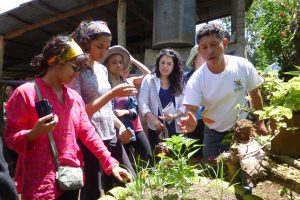
CGEE delivers high-impact, experiential programming in Africa, Europe, and Latin America. CGEE programs are designed to learn from communities and groups working for social change to inform thought and action for personal and societal transformation. Learn more about our educational approach >
SEMESTER AND SUMMER PROGRAMS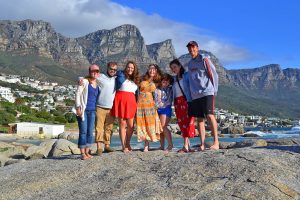
Since 1979, the Center for Global Education and Experience (CGEE) at Augsburg University has welcomed students from more than 300 institutions of higher education to our summer and semester study abroad programs in Africa, Europe, and Latin America. We hope you will be one of the newest members of the CGEE community and join us.
CUSTOMIZE A PROGRAM
Since 1982, CGEE has customized international programs throughout the world for hundreds of organizations and institutions. We work with university faculty and staff, religious institutions, non-profit organizations, and other groups, to select your research topic. Then, we create an engaging, community-based learning experience. Most are 1-3 weeks in length, but we offer long-term programs as well.
Support our center
Please consider making a donation to CGEE to support scholarships, new program development, sustainability efforts, and more. Thank you for your support!
Recent Posts
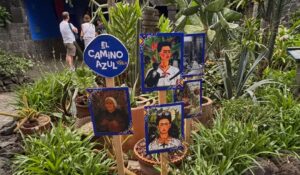
Final Student Reflections: Mexico Spring 2026
This is a guest blog post from our student social media ambassador, Anthony. Currently studying abroad on the semester program, “Liberal …

Community, Borders, and Peace [Student Reflection]
This is a guest blog post from our student social media ambassador, Sydney. Currently studying abroad on the semester program, …
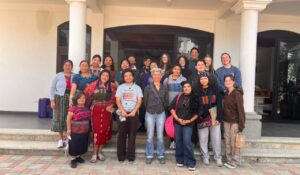
Learning from Indigenous Communities in Guatemala [Student Reflection]
This is a guest blog post from our student social media ambassador, Alannah. Currently studying abroad on the semester program, “New …
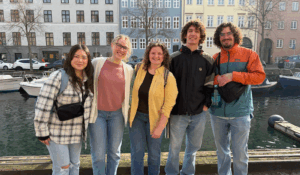
Collective Care in Norway and New Perspectives [Student Reflection]
This is a guest blog post from our student social media ambassador, Emily. Currently studying abroad on the semester program, …


