
Prof. Najeeba Syeed has written a reflection “In Defense of Awkward Spaces”:
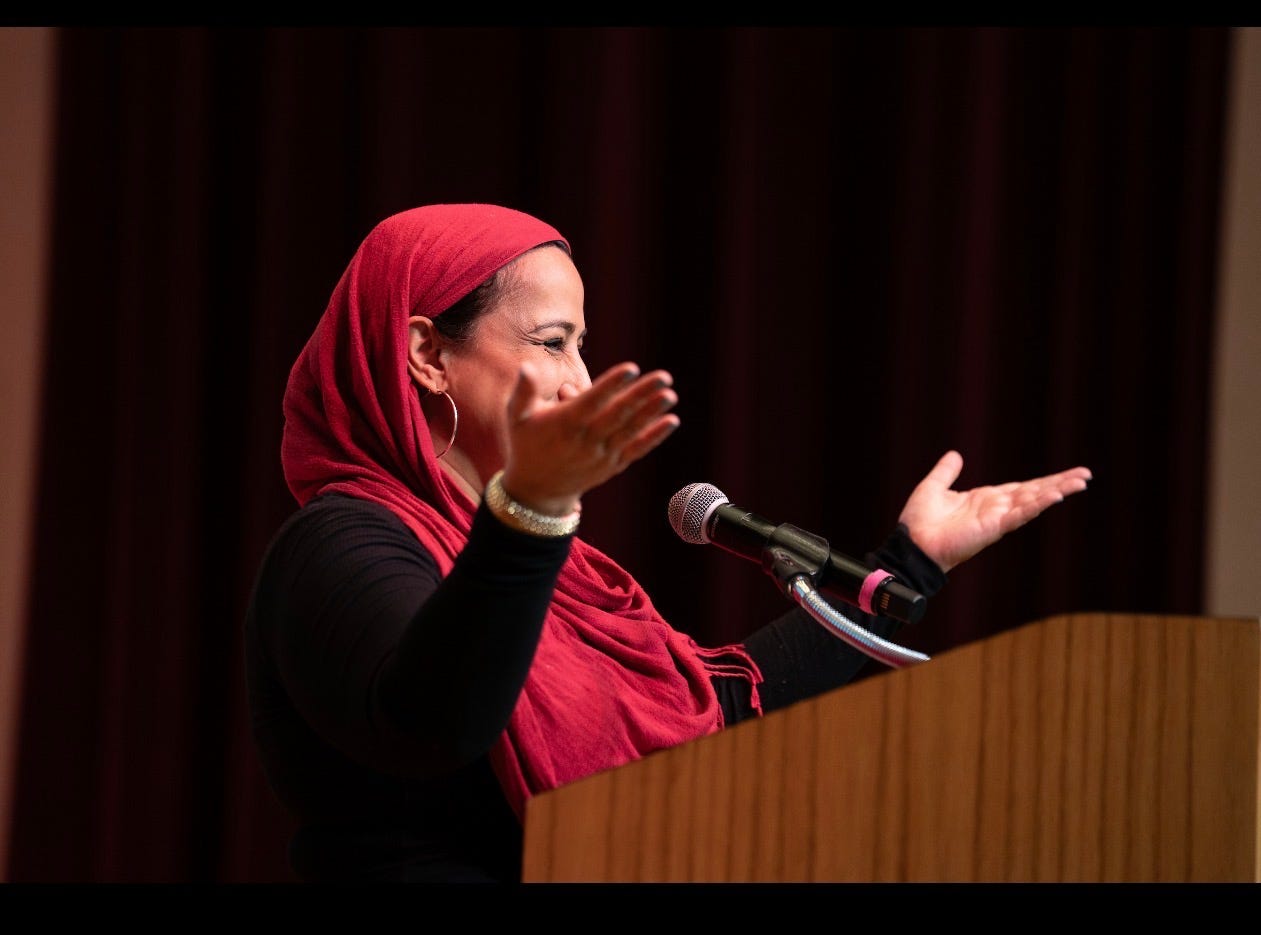
The spark that ignites understanding, before the magic of humanizing one for another comes through the space that feels hard, feels unnavigable, it pulls on our imagination.
I spent much of my summer as a steward of awkward space. Teaching mediators, leaders, students, university administrators, community organizers and others to *hold* that space.
The flourishing silences, the unpredictable exchanges, the fumbling moments, the times when we pray our tongue is untied for others to understand us (that is a prayer of Musa (Moses) that I shared this summer with others from the Muslim tradition.
Leadership needs us to to be vulnerable and awkward. Maybe we need to hold our selves as examples of works in progress not just paragons of perfection, and to hold others when they fall apart, maybe just a little maybe sometimes a lot.
I am here for your awkwardness I embrace it and you. I hope you will do the same for me.
Together I believe it’s the only way we will all flourish.
It can be helpful to model awkwardness as a facilitator. I know this is counter intuitive when you want to seem the expert, I’ve learned people respond much more to authenticity. Share a story of what didn’t work in the past, be honest about a time you were nervous about a conversation.
Facilitators who’ve had to navigate awkwardness together and came out of the tunnel as closer colleagues and friends are often a great team to lead these kinds of spaces.
And remember every space is awkward for someone in the room.
Maybe it’s time we all embrace, and even celebrate those awkward moments.