
bing pixel

Accompaniment: The Prayer Walk in the Neighborhood

The Riverside Innovation Hub is a learning community made of local congregations who gather together to learn how to be and become public church in their neighborhood contexts. We convene congregations over two years together, shaped by learning and practicing the artforms of the Public Church Framework in each congregation’s unique context.

Accompaniment is the first artform of the Public Church Framework. It is the movement out into the neighborhood to hear the neighbors’ stories. In this movement, we learn to engage and listen to the neighbor for the neighbor’s sake. We’ve simplified and categorized accompaniment into four different practices that help us hear our neighbors’ stories. This blog post dives into the second layer of accompaniment, a prayer walks in the neighborhood. 

You can also read more about the previous layer in our last blog post – Becoming familiar with the Demographics of your neighborhood

Infographic of a triangle with four layers labeled 'Demographic Data,' 'Prayer Walk,' 'Listening Posts,' and 'One-on-Ones.' Demographic Data Statistics describing various demographic trends in a geographic area. Prayer Walk A reflective walk seeking places of hope and despair in the neighborhood. Four Layers of Accompaniment Listening Posts Places in the neighborhood where the community gathers. One-on-Ones Conversations with neighbors about their lives.Often congregations may begin at the top of the triangle and work down as a pathway to getting to know the neighbor. However, notice the proportions of each of the layers match the amount of time folks are encouraged to spend with each aspect. Demographic information begins to help us get to know things about our neighbors and may spark curiosity around things we want to learn more about, but to really get to know our neighbors, one to one conversations are at the heart of building real relationships.


The Prayer Walk in the Neighborhood

Written by Kristina Frugé 

The practice of a neighborhood prayer walk is inspired by the  Ignatian Awareness Examen, a contemplative prayer exercise that guides you through an examination of your day as you prayerfully seek moments of desolation and moments of consolation.

Moments of desolation are times of sorrow, brokenness, fear, anxiety, etc.

Moments of consolation are times of hope, healing, courage, peace, etc.

People working on a map labeled "Plymouth Church Prayer Walk" at a table.You can use the lens of desolation and consolation as you walk through the neighborhood in which your faith community is located, asking God to show you the places of desolation and consolation in that neighborhood. The general outline of this activity includes walking through the neighborhood, paying particular attention to what stands out as consolation and desolation. Then, together, with people in your faith community, reflect on what you saw, felt, sensed and heard and map the locations of those places of consolation and desolation on a shared map. You will find some simple instructions at the end of this post to help you plan for a prayer walk. However, while this activity is fairly straightforward, there are some important aspects to be aware of as you begin.

In all of our efforts to become vital neighbors, we will find ourselves encountering people and places we don’t know or don’t know very well. We will encounter differences between ourselves and others – whether it be racially, religiously, socio-economically, generationally, or across so many other distinctions. We also expect to experience connection as we discover similarities – love of the same local business, or our pets, or our children, or perhaps share similar fears or longings for ourselves and our neighborhoods.  Continue reading “Accompaniment: The Prayer Walk in the Neighborhood”

Transforming From Within: Reflections from Cohorts

A drop of water in a lake or river rippling out. Ducks and an eagle are in the horizon along with the sun set. Trees are red and brown along the sides. Geoffrey’s Reflection

Peace friends,

So far, in our shared journey of faith and community, an essential truth emerged: real change begins within. As Lauryn Hill insightfully puts it, “How you gonna win when you ain’t right within?” This feels like it resonates as a deep undercurrent with our congregations’. .

We’re on a mission, not just to extend our sacred influence into the neighborhood but to first cultivate it within our own teams. It’s a process of aligning our hearts and minds, ensuring our internal compass is set towards genuine humanity.

This isn’t just about strategy; it’s about soul-searching. We’re engaging deeply with each other, understanding that to truly touch our neighborhood, we must first be united and aligned in our purpose and vision.

As we undertake this internal journey, we’re igniting a transformation that extends beyond our walls. We’re becoming the change we want to see, equipped to be sacred spaces in our neighborhood’s story, whether it’s filled with joy or echoes with grief.

This path we’re embarking on is and will be progressively challenging, yet incredibly rewarding. As we align within, our capacity to impact our neighborhoods grows exponentially. We’re not just changing – we’re evolving, ready to make a real ripple in the world around us.


Brenna’s Reflection

October brought the first of many cohort meetings for this round of the Riverside Innovation Hub journey. We met at Christ the King Lutheran Church in Bloomington, sharing in the rich history and context of their space. We heard their team members tell stories of teen lock-ins and Sunday school classes held in the room where we met from multiple generations in the past to today. Over the next year, each of our congregations will get a chance to host a cohort meeting in their space so that we can all get a taste of their place and story as we build relationships together. Continue reading “Transforming From Within: Reflections from Cohorts”
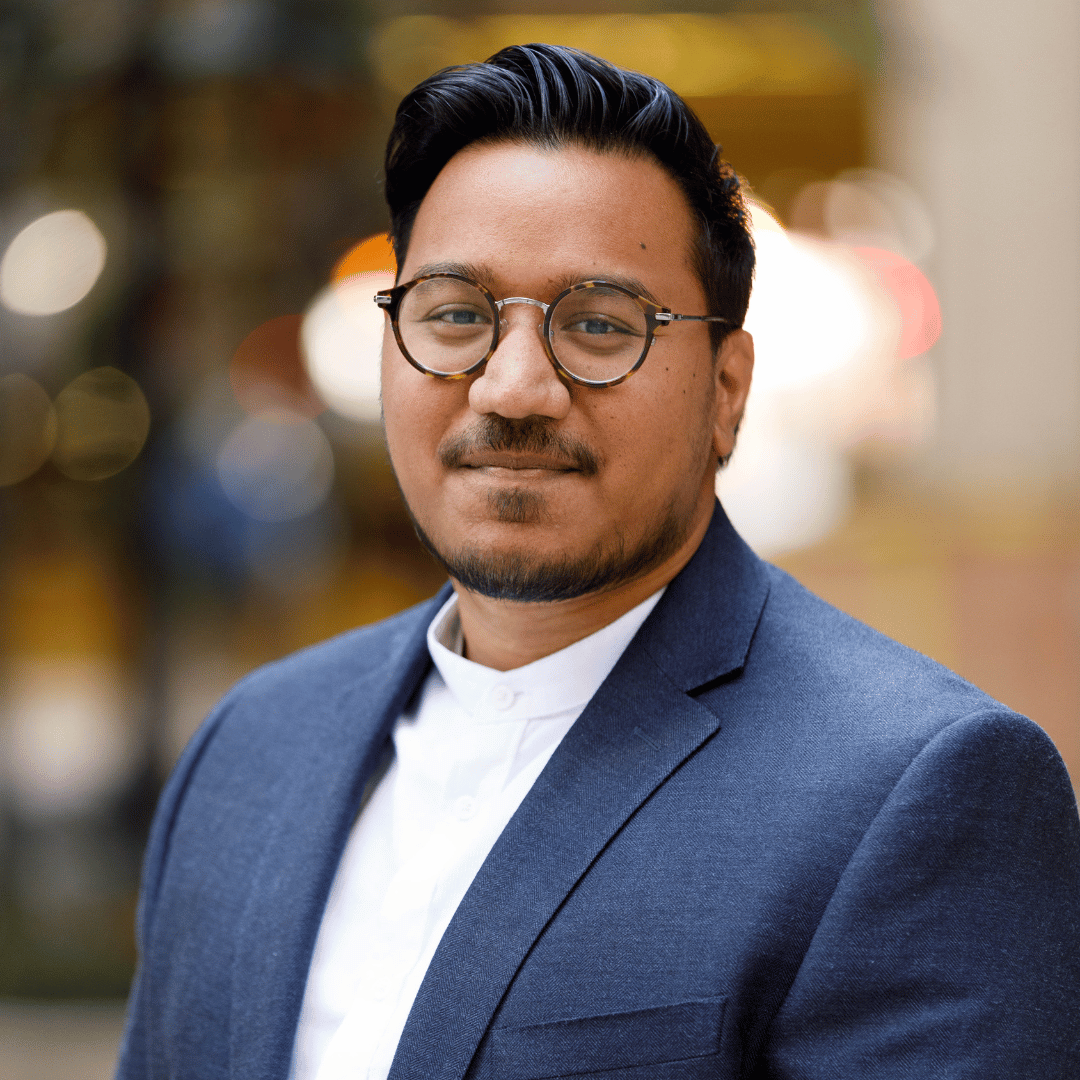

Saying Yes Because of This Truth: Project Reflection by Amar Peterman

Amar HeadshotIf you have not heard yet, we are writing a book! The purpose of this book project is to amplify the voices of young adults as they articulate their hopes, dreams, concerns, and frustrations to the church. This is not a book about young adults. Nor is this a book about how to attract young adults back to church. Rather, it is a book that offers the wisdom of young adults to the church as it discerns its next most faithful steps in these emerging times. Check out our author team here.

We recently asked the young adult writers for the project to reflect on this experience. Below is the reflection from Amar D. Peterman.

Amar D. Peterman (M.Div., Princeton Seminary) is an award-winning author and constructive theologian working at the intersection of faith and public life. His writing and research have been featured in Christianity Today, Faithfully Magazine, Fathom, The Berkeley Forum,, The Anxious Bench, Sojourners and The Christian Century. Amar is the founder of Scholarship for Religion and Society LLC, a research and consulting firm working with some of the leading philanthropic and civic institutions, religious organizations, and faith leaders in America today. Amar also serves as Program Manager at Interfaith America where he oversees programs related to emerging leaders, American evangelicalism, and Asian America. He writes regularly through his newsletter, “This Common Life.” You can learn more about him at amarpeterman.com. Amar’s co-author is Nicholas Tangen.


Why did you say yes to this experience and what are your hopes for the project? 

Written by Amar Peterman

Writing is always shaped by the people around us and the places we are located in. The best writing embraces this, capturing every moment as an opportunity to tell a story or find meaning in the ordinary moments of our life. Writing that reflects these daily experiences and infuses such with sacred meaning holds the opportunity to change us—even convict us—and as we are called into a community beyond ourselves. 

I said yes to this experience because of this truth. Through this project, I am not only brought into conversation with other writers across the country, but into active participation towards a shared goal. As we gather to envision a hopeful future for the Christian church, we are diligently writing and marking out tangible steps to create equitable spaces of inclusion and belonging for young people in local congregations across the United States. Together, we represent a diversity of experiences, locations, denominations, and beliefs within Christianity. These differences, though, are not a hindrance to our cooperation; they are gifts that allow this project to speak to more people than any individual could do on their own.  Continue reading “Saying Yes Because of This Truth: Project Reflection by Amar Peterman”

The Journey of Forming Learning Communities with New Congregations

Written by Geoffrey Gill

a seedling emerging from the soil with the sunshine shining in the background.This year has been a remarkable journey as I’ve engaged with new congregations, forming fresh learning communities. What makes it even more special is the contrast to the previous year when many of these structures were already in place. Now, I find myself in the unique position of shaping the very fabric of our community.

Meeting and getting to know these congregations has been a profound joy. Many resonate with the importance of being active neighbors and are receptive to reimagining their role within the broader church and community. This eagerness for transformation shines through, and it fills me with hope.

A recent podcast touched on grounding ourselves in the present to experience the fullness of God’s presence. In that sacred space, we tap into wisdom and the fruits of the spirit. This message resonated deeply with me, mirroring the longing I perceive in our congregations to evolve, build bridges, and courageously traverse them.

However, the journey isn’t without its challenges. The weighty topics of racial healing, restoration, and confronting prejudice can be difficult. These conversations can sometimes be met with resistance or unease. Yet, the silver lining is the willingness of many to delve into these issues, recognizing their gravity.

A central belief that guides me is that we are combating deep-seated evils that exist beyond mere human conflicts. This battle requires divine guidance and an inward transformation. The biblical message, “the truth shall make you free,” resonates here. True liberation comes from an internal shift, a spiritual renewal.

Much of our work is about showing up, being present, and immersing ourselves in the transformative power of the spirit. Through art forms, we have a medium to interpret the spirit’s movements, allowing for inward transformation. This is an ineffable process, one that’s difficult to articulate. But once clarity emerges, we are called to act, share, and continue the cycle of reflection and action.

In connecting with these congregations, I’ve been moved by their willingness to venture into the unknown, confront their perceptions, and reimagine their worldviews. Despite initial discomfort, there’s an evident zeal and anticipation for the journey ahead.

Abby’s Writing Process So Far: A Joyous and Challenging Journey

Written by Abby Grifno

Abby Grifno's in her natural writing habitat with a coffee mug, laptop and living room chair. Working with the Riverside Innovation Hub on this writing project was a task that I stumbled upon. I applied full-heartedly and with a certainty that I’d be adding a rejection to my slushpile. When I received news of the opposite, I was proud of myself, but then I was overwhelmed. Our writing project had “vulnerability” written all over it, something I knew from the very beginning. My topic, “Marginalization, Inclusion, and Liberation” is one I feel both passionate about and often ill-qualified to speak on. Thankfully, I’ll just be writing.

My co-author, Dr. Jimmy Hoke, has guided our discussions and the process with the utmost care, and it’s made a huge difference. But the writing process still has its challenges. We are dealing with problems that aren’t just our own, but also of the generations and the lives that came before us. Novels could and have been written on our topic and there’s no way my writing will be able to speak on everything I wish it could. All I can do is add my own perspective to the mix and hope it reaches the right people, resonates with someone, and contributes to an on-going discussion of what our beautiful church could be. 

The hardest part? Deciding what is allowed on the page and what is still only written in my heart. While I’ve always loved writing personal narratives, I’ve remained selective about who views them. A chapter. Out in the world. Scary. Writing my thoughts, even only in draft form, can feel like an admission I’m not quite ready to make. Even though I know that there is always a backspace and more importantly, a kind conversation available on any differing viewpoints Jimmy and I have. I’m still working on it though, and my current draft is an obvious reflection of my thoughts working themselves out.  Continue reading “Abby’s Writing Process So Far: A Joyous and Challenging Journey”

Young Adult Book Project Update!

Written by Amanda Vetsch

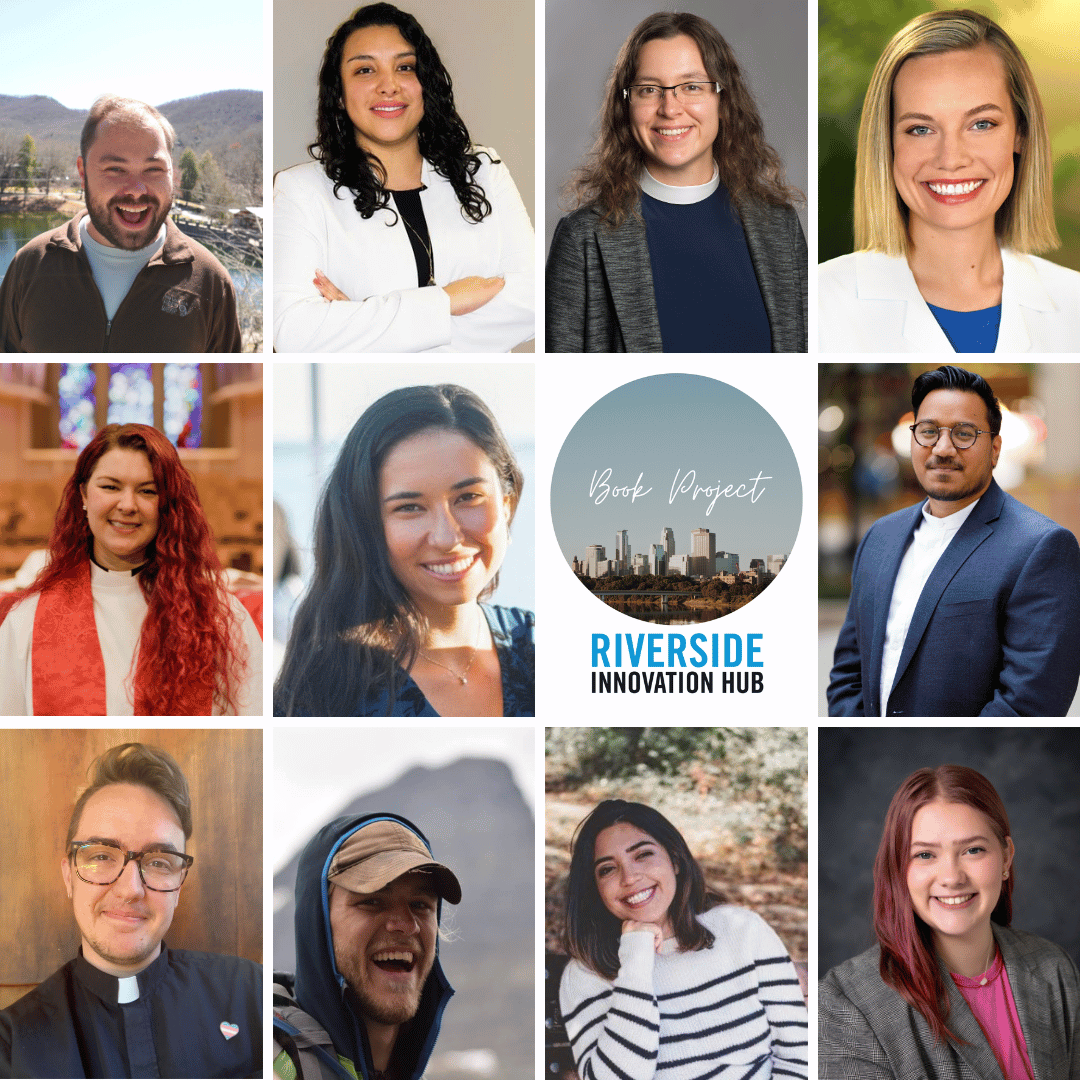
headshots of all 11 young adult writers in a gridThe Young Adult Book Project authors recently completed a huge writing milestone, they submitted first drafts of each chapter! Each set of co-authors has been working on their chapter draft since the writers’ retreat in March, and submitted their drafts in early July. 

Each chapter has a set of two authors writing on it, a young adult and a thought leader. The writing process is unique to each set of co-authors. Some have regularly occurring check-in calls, with independent writing time in the in-between. Some of them have shared writing prompts they both respond to, and then review similarities, differences, and what they want to hold on to. Some split up their outline and assigned parts to each author. All of them spend time in conversation figuring out how to weave their writing together, into one chapter. 

Each writer has a process that’s unique to them. Some set aside consistent time in the morning to write about a specific thing, some let the ideas simmer while they drive, clean, or garden and capture them in a notes app to later add to and elaborate on them. Some start their writing time by reading. All of them work hard to communicate their experiences, thoughts, wonderings, and questions. 

So far, the biggest challenge to writing a collaborative chapter seems to be finding time, time to write, time to meet, time to rest, time to celebrate. Other challenges include figuring out how to weave the different perspectives into one chapter and right-sizing the content. Does each author write from the first person point of view and just notate when they switch? Do they write as a collective “I” or “we”? How do they tackle a theme that’s so enormous and narrow it down enough to fit in a chapter?

Over the next month, Kristina and Amanda are reading, reviewing, offering feedback and conversation for each chapter’s co-authors. Help us celebrate this milestone by cheering on our authors! 

Stay tuned for more blog posts soon about how the writing process has been going for our young adult authors!

Introducing Our New Congregational Facilitator: Brenna Zeimet

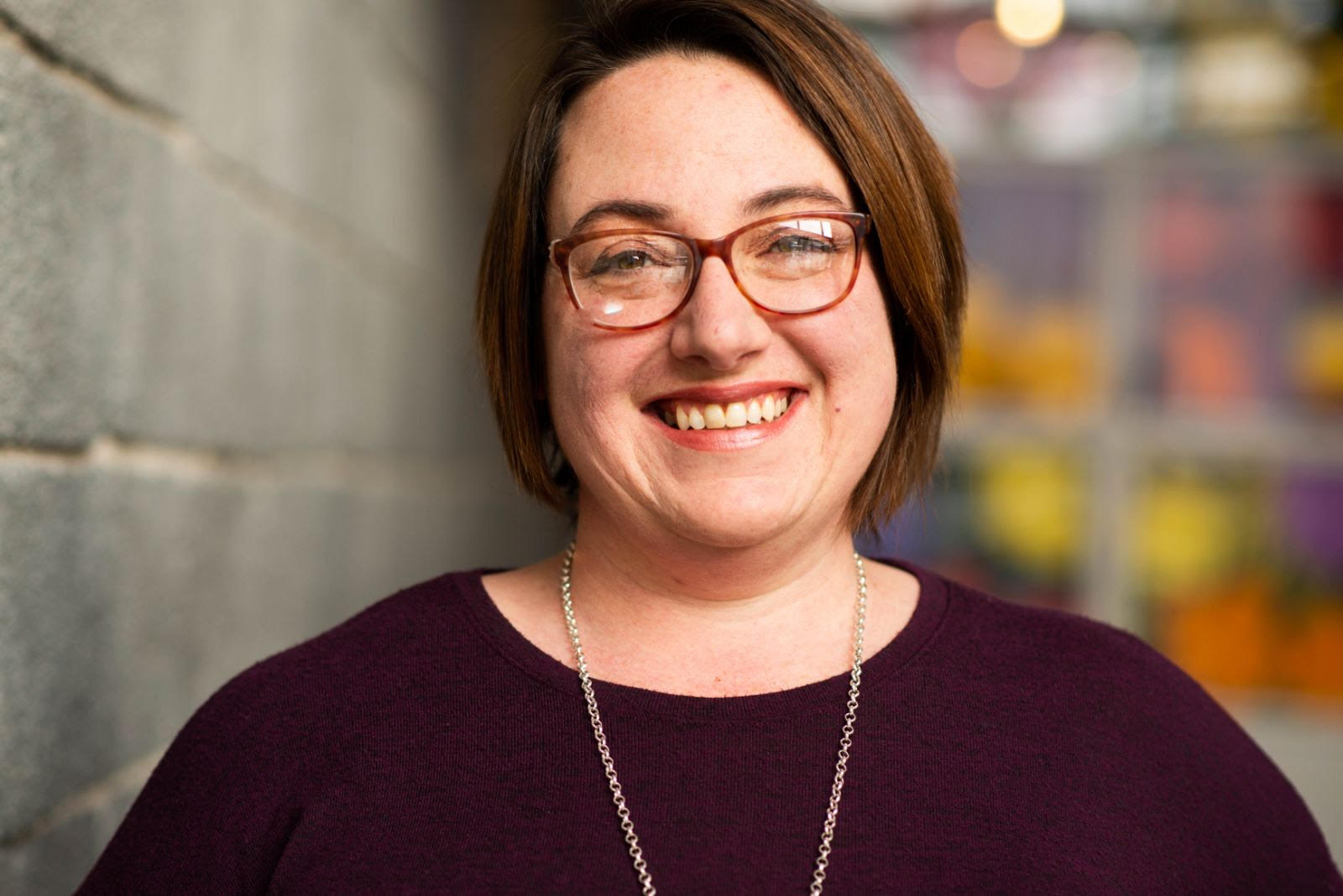
Brenna's headshotWe are so excited to introduce our new CCV staff member with you all, Brenna Zeimet! 

Brenna joined the Riverside Innovation Hub in June of 2023 as a RIH Congregational Facilitator. She will journey with congregations as they discern their vocational path to loving their neighbors as a vital partner in the community where God has called them. She will facilitate cohorts of church leaders, helping them build a network of support amongst each other to empower the work they are doing for the flourishing of humanity and the common good. Continue reading “Introducing Our New Congregational Facilitator: Brenna Zeimet”

Meet the Writers for the Book Project

We are excited to introduce the young adult writers for the young adult book project that is currently in progress! The co-author teams have been busy writing their chapter outlines and soon will be writing the first draft of their chapters. You can find out more about the project here.

Below you will meet our young adult writers that are leading this project. You can find the whole list of writers, their bios and headshots here.

Young Adult Writers


Amar HeadshotAmar D. Peterman (M.Div., Princeton Seminary) is an award-winning author and constructive theologian working at the intersection of faith and public life. His writing and research have been featured in Christianity Today, Faithfully Magazine, Fathom, The Berkeley Forum,, The Anxious Bench, Sojourners and The Christian Century. Amar is the founder of Scholarship for Religion and Society LLC, a research and consulting firm working with some of the leading philanthropic and civic institutions, religious organizations, and faith leaders in America today. Amar also serves as Program Manager at Interfaith America where he oversees programs related to emerging leaders, American evangelicalism, and Asian America. He writes regularly through his newsletter, “This Common Life.” You can learn more about him at amarpeterman.com. Amar’s co-author is Nicholas Tangen.

Kayla headshot


Kayla Zopfi is an Hunger Advocacy Fellow with the Evangelical Lutheran Church in America. Zopfi graduated from Concordia College, Moorhead, where they studied Religion, Political Science, and Interfaith Studies. Zopfi is interested in understanding how people’s core values affect the way they see and interact with their communities and the world around them, and is passionate about institutional reform and storytelling. Kayla’s co-author is Jeremy Myers.


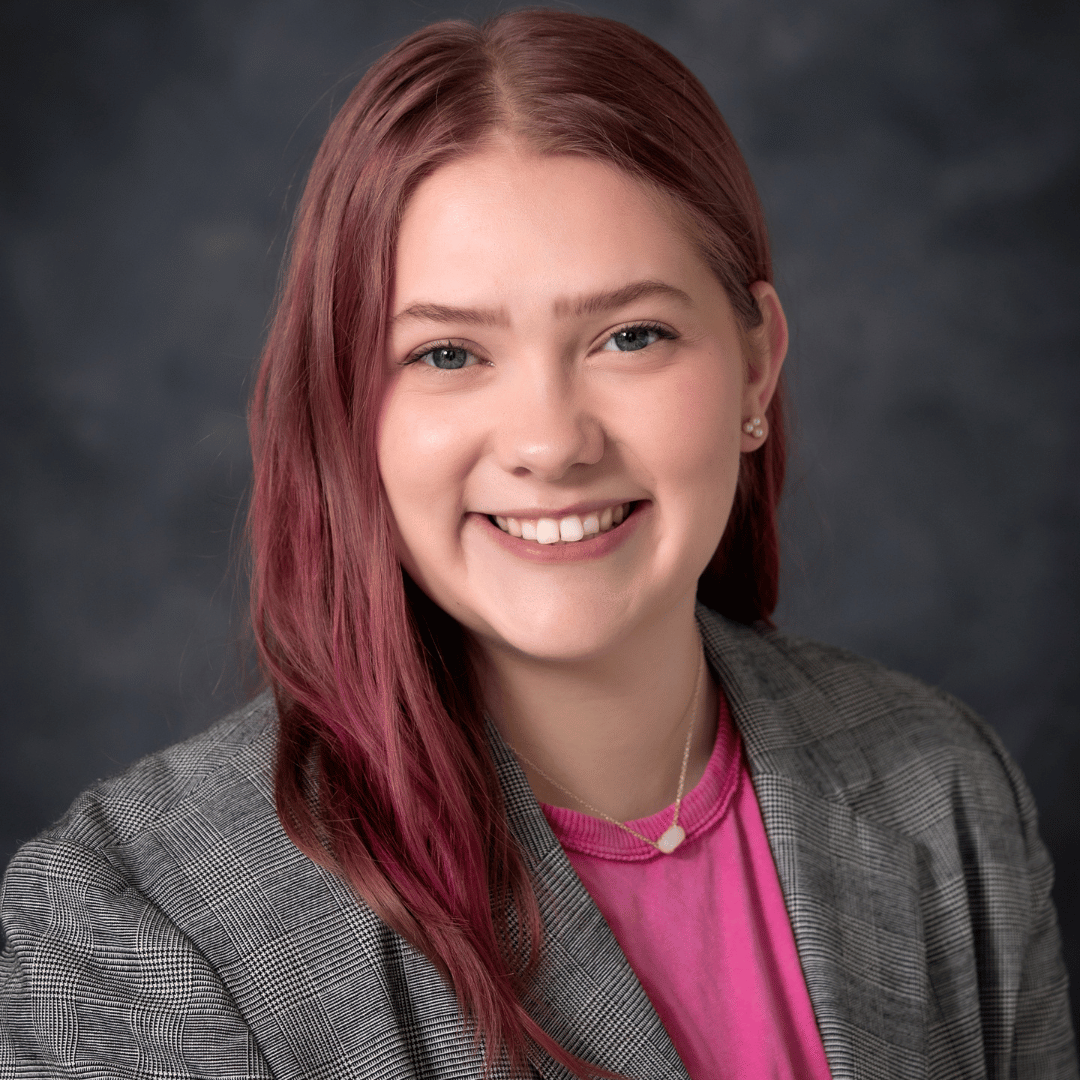
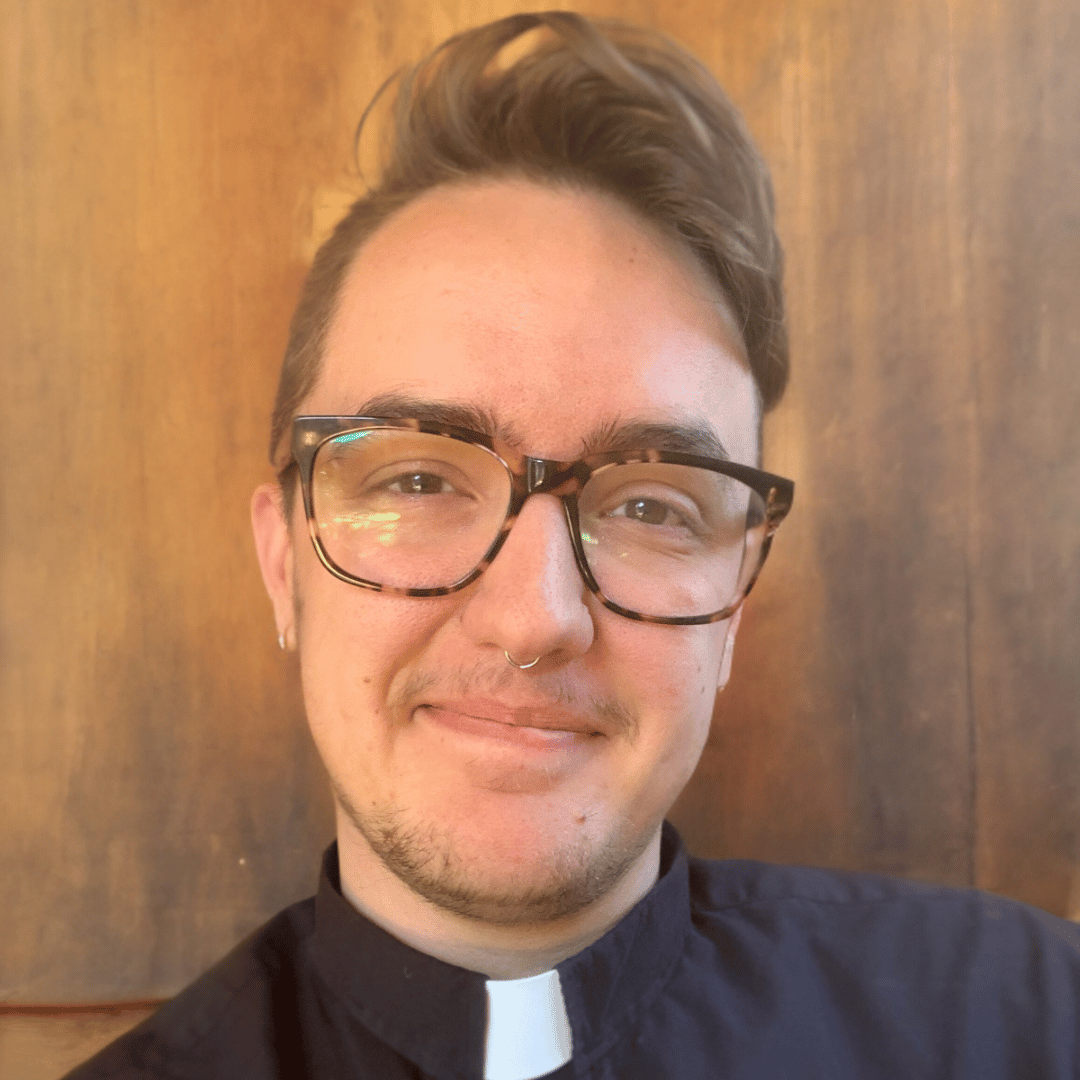
Drew's HeadshotRev. Drew Stever currently serves as a pastor in Southern California and lives with his partner, three kids, goldendoodle, and betta fish. He is a co-organizer for Koinonia Mutual Aid – a network of care for LGBTQIA+ and BIPOC faith leaders. In his free time, he is an amateur spoon carver, bird watcher, and moseying enthusiast. When thinking about power, Rev. Drew looks to those who inspire him the most – drag queens, women and femmes, queer folks, and artists. When used correctly, power is the ability to imagine and create new, liberating worlds and inspire people to come along for the ride. Drew’s co-author is Rev. Dr. Eric H. F. Law.

Abby's Headshot

Abby Grifno is an English teacher and writer based out of Washington, DC. She loves to write about local culture and has work featured in Bethesda Magazine, The Washington City Paper, and more. Beyond teaching and writing, Abby loves discussing theology within the church community. Abby’s co-author is Jimmy Hoke. 


Rev. Madeline Burbank (she/her) is a pastor serving congregational and campus ministry in southern Wisconsin. Bringing particular perspectives as a queer leader and young adult, she highlights how God embraces the diversity of human relationships and inherent worth of pleasure, which reinforce our path toward mutual liberation. In addition to writing and pastoral care, she enjoys connecting with people through tabletop and video games, or birdwatching for Sandhill Cranes. Madeline’s co-author is Kara Haug. 

Continue reading “Meet the Writers for the Book Project”

Being A Vital Neighbor

Written by Kristina Frugé 

A few years ago we were gathered with a handful of local pastors at a coffee shop discussing this idea of being a public church. My co-worker Amanda and I were describing the posture of this work as one that shifts our attention from an internal one out towards the neighborhood, the larger context our congregations are located in. The rich imagination of the vision Ezekiel describes in Ch. 47: 1-12 inspires this orientation. Ezekiel’s guide in the text points out how the water flows from the sanctuary out into the wilderness, bringing life and flourishing where-ever it goes; as it flows it gets deeper and wider until it is a river that cannot be crossed. 

Kristina Fruge by the edge of water bending down to pick up rocks. Water in the bible often connotes a never ending resource of life – God’s mercy flowing in abundance beyond our wildest imaginations. The invitation to become a public church is rooted in this vision as it begs us to take notice of what happens where God’s mercy flows and to get caught up in what God is up to in those places. God’s abundance can be contrasted with what often feels like a scarcity mindset when we are closed off from the outside world, mainly absorbed with our own worries and anxieties. However, God’s call urges us into the larger environment and relationship there. I hear this as good news to those of us in congregations where the temptation of a scarcity mindset is a daunting reality. 

Sitting in that coffee shop years ago, as we dwelled in the vision Ezekiel stoked up in our imaginations for being public churches, one pastor offered a helpful distinction. She pointed out that being a public church is about becoming a vital neighbor within the larger ecosystem of the neighborhood we are a part of. (Shout out to Pr. Brenda at Bethel Lutheran in South Minneapolis for that little gem!) There is lots of talk about vitality and thriving in the church world, but what God’s promises often point to is an understanding of vitality and thriving that is mutual. That flows beyond the sanctuary. That is for all. 

This is the arena of our wonderings and work in the Riverside Innovation Hub. Helping churches be vital neighbors is what we are about. It is also the way those of us on staff at RIH have been imagining our role with our neighbors. If you are reading this blog post, you are probably one of our neighbors! Our work and the resources we are able to leverage help us come alongside congregations and ministry leaders chasing after this work of being vital neighbors in our places. And so, as new seasons and new opportunities unfold for our work at RIH, we want to continue to explore how we can be vital neighbors to you – the larger ecosystem of church and ministry leaders doing this work on the ground in your many and varied places. 

This February, we have had a couple key opportunities to listen to our neighbors, paying attention to your joys, your heartaches, your longings, and your curiosities.  Continue reading “Being A Vital Neighbor”

Launch of RIH Thriving Congregations Partnership Application!

Augsburg University’s Riverside Innovation Hub (RIH) was awarded a Thriving Congregations grant through the Lilly Endowment to support work with area congregations. RIH has been convening learning communities of congregations since 2018. This next opportunity to partner will be our third RIH learning community exploring the call to BE neighbor, rooted in our faith and curious about God’s invitation to be in relationship with the neighborhood.

Churches who become a learning partner will journey together with 10-12 congregations over two years shaped by these characteristics. This time will include gathering for large group learning events 3-4 times a year, gathering with cohorts of several congregations and an RIH facilitator to support and share wisdom with one another, work done individually by congregational teams supported by an RIH facilitator, and opportunities for team leaders from congregations to connect around leading this work in our congregations.

Project Description & Eligibility

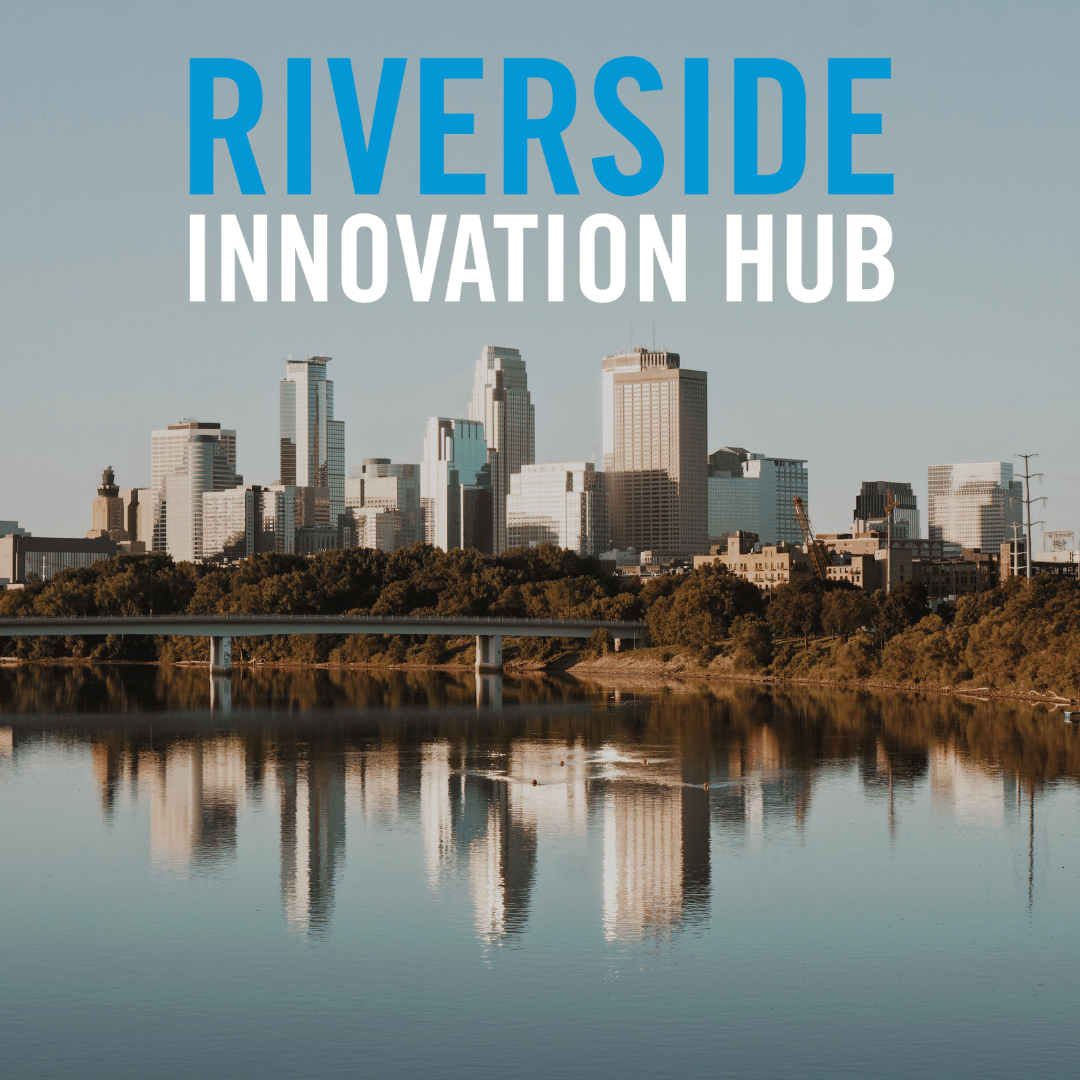
Riverside Innovation Hub over Mississippi River and City skylineRiverside Innovation Hub

Augsburg University’s Riverside Innovation Hub is an incubator for people and communities exploring the public church in the neighborhood. These congregations learn a process for discerning how God is inviting them to become more engaged in their neighborhoods.

Learn More about Riverside Innovation Hub


Application Process

Step 1: Submit Letter of Intent

Accepted on a rolling basis

Congregations interested in pursuing the application process are asked to have their senior pastor submit a letter of intent to apply, via a google form. Letters of intent will be accepted on a rolling basis, until the end of the application period.

Submission of your letter of intent will:

  • Allow congregations to indicate why they are applying for the project.
  • Help RIH staff streamline communications as the application process moves forward by adding you to direct mailings about the process and being available to you for further conversation.
  • Help your congregational leaders move through the application process in a timely and thoughtful way.

Form to Submit a Letter of Intent

Step 2: Learn more: Informational Sessions

colorful pens atop a blank notebook bag with open laptop in the backgroundInformational sessions will be offered in March via zoom.

Thursday, March 9th from 1:30pm – 2:30pm
Monday, March 13th from 7:00pm – 8:00pm
If you missed our information sessions, here is the recording from March 13th.


Step 3: Submit Application

Submit on or before April 20, 2023

The application is a google form, but please see the questions in a pdf below.

Recruit your senior pastor and one lay leader to complete the application and involve others from your congregation in the process as relevant for your context (ie council leadership, staff, lay leaders). You are welcome to complete the application sections as a group or have one person submit it all after your group has worked on it.

You may submit the application the following ways:
  • Option 1: Written application (written by one or multiple people) submitted via google form below
  • Option 2: Video submission with cover letter with the information of first section of the application. If you are sending us a video, you can break it up into videos for each section (10 minutes or less) or one video (around 30 minutes or less). You can submit the videos in each section below if they are broken up or one video in the last section.
  • Option 3: Hybrid submission. You are welcome to submit a mixture of videos and written answers. In each section, but the first, is a place to upload a video if you would like.
  • Option 4: If there is a barrier to submit written or video submissions for your congregations, please reach out to Ellen Weber (weber3@augsburg.edu) about additional possibilities.

PDF Copy of the Application

Official Google Form to Submit Applications


Step 4: Invitation Process

clipart of calendar with checkmark at the end of the month over the top of a teal circleRIH will review applications and extend invitations to selected congregations  the week of May 16th. Congregations will have until June 8th to accept the invitation.

Augsburg’s learning community begins September 2023 and runs through September 2025. 


Contact us:

Additional questions? You can reach out to Kristina Fruge (frugek@augsburg.edu) or Ellen Weber (weber3@augsburg.edu).