
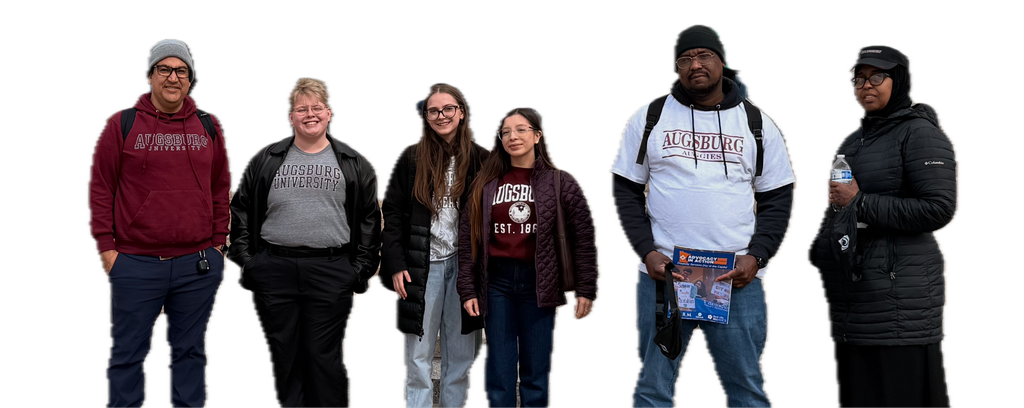
Disability Advocacy, Interfaith Dialogue, and Student Leadership
An Augsburg University project supported by Interfaith America’s Supporting Student Leadership Grant.
About the Program
Disability Advocacy Scholars invites students into a relationship-centered learning community focused on disability, access, justice, pluralism, and practical advocacy. Students explore how disability is shaped by systems, environments, policies, beliefs, and community experiences.
The program helps students practice bridge-building by engaging across religious, cultural, ideological, and lived-experience differences. The goal is not only to learn about advocacy but to practice it through dialogue, reflection, storytelling, civic engagement, and student-led action.
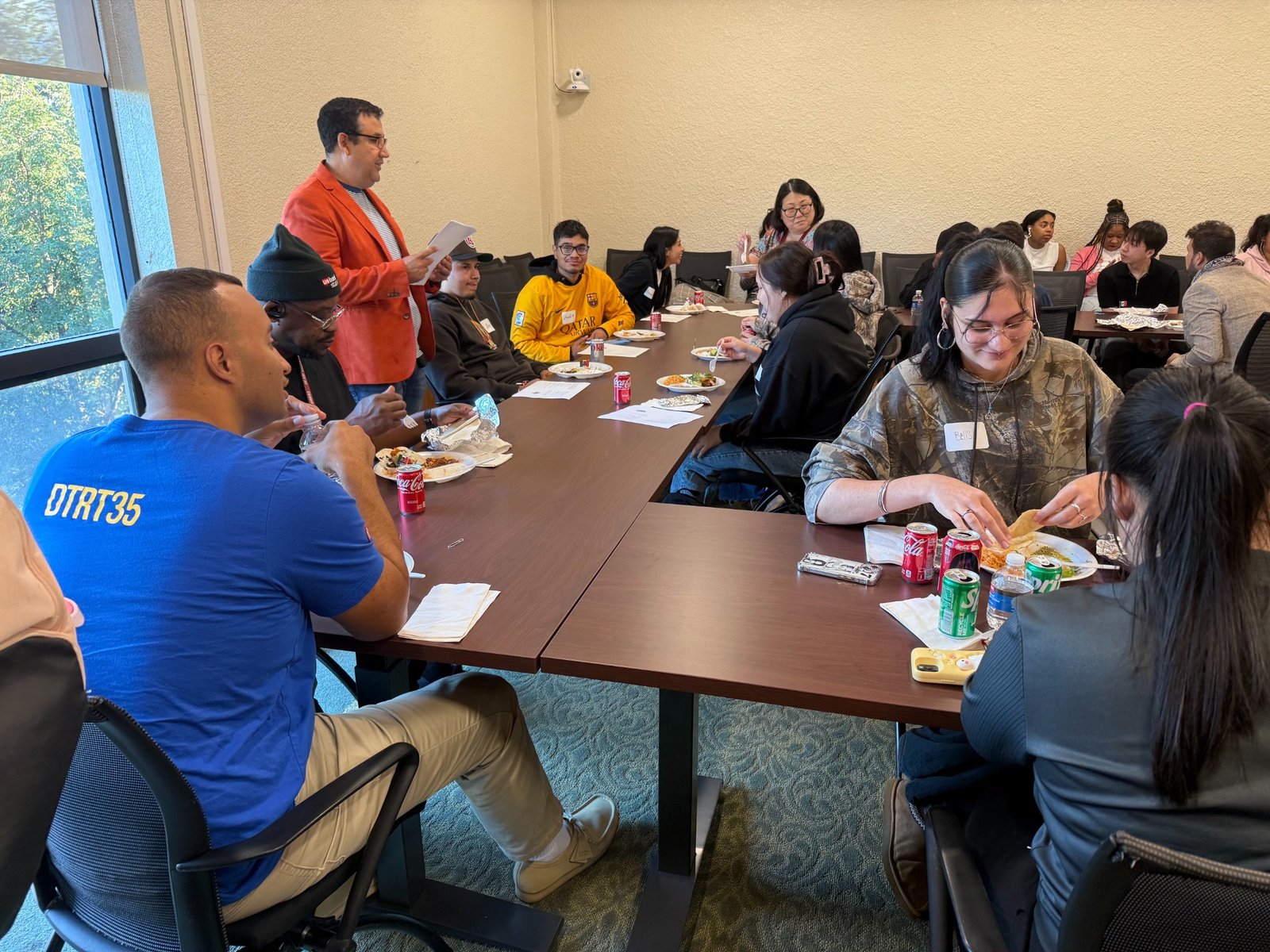
Who Should Participate?
Future Educators
Students preparing for teaching, special education, inclusive pedagogy, school support, or youth work.
Student Leaders
Students interested in facilitating dialogue, building community, and leading across difference.
Advocates
Students who care about disability rights, access, belonging, civic engagement, and justice.
Curious Learners
No prior experience is required. The most important qualities are openness, reflection, care, and willingness to learn with others.
How to Participate
Students can participate through the course, student-led events, panels, advocacy opportunities, and community conversations. Use the steps below as a simple guide.
Express Interest
Contact Dr. Sergio Madrid-Aranda or speak with your advisor about joining Disability Advocacy Scholars or participating in related events.
Attend an Information Session or Class Meeting
Learn about the goals of the program, expectations, accessibility practices, and upcoming opportunities.
Choose Your Level of Engagement
You may participate through coursework, a panel, a dialogue event, Disability Day at the Capitol, an advocacy project, or a community partnership activity.
Reflect and Lead
Students are invited to connect learning to lived experience, practice listening across difference, and contribute to spaces of dignity, access, and belonging.
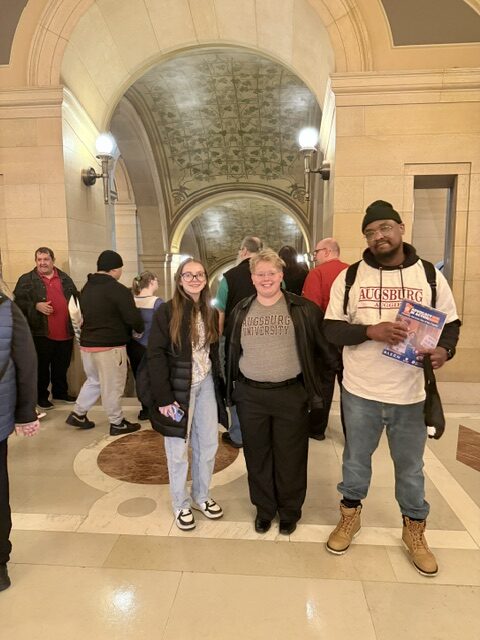
Upcoming and Signature Opportunities
| Opportunity | What Students Do | Why It Matters |
|---|---|---|
| Student-Led Interfaith Panel | Help plan, facilitate, or participate in a panel connecting disability, trauma, resilience, faith, immigration, and education. | Students practice storytelling, dialogue, bridge-building, and leadership across difference. |
| Disability Day at the State Capitol | Travel to Saint Paul to advocate for disability rights, access, and belonging. | Students connect classroom learning to civic engagement and public advocacy. |
| Weekly Reflections and Dialogue | Engage readings, class conversations, guest speakers, and personal reflection. | Students build habits of critical thinking, empathy, and ethical responsibility. |
| Final Advocacy Project | Identify an access barrier, learn from community voices, and take an action step toward change. | Students translate learning into practical advocacy and community impact. |
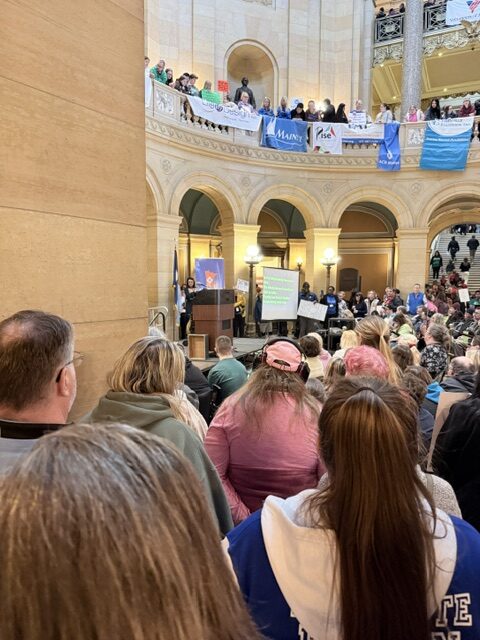
What Students Can Expect
Supportive Learning Community
A space that values curiosity over certainty, listening over rushing to conclusions, and growth over perfection.
Dialogue Across Difference
Structured conversations about faith, culture, disability, migration, identity, trauma, and educational responsibility.
Real Advocacy Practice
Opportunities to connect course learning to community needs, civic engagement, and practical action.
Leadership Development
Students build confidence as facilitators, advocates, future educators, and bridge-builders.
Student Resources
Students participating in the program will use readings, dialogue guides, reflection prompts, community resources, and advocacy tools. Core learning themes include:
Disability and Access
Physical, informational, program/policy, and interpersonal access barriers.
Pluralism and Bridge-Building
Listening, perspective-taking, respectful dialogue, and constructive engagement across difference.
Trauma-Informed Practice
Understanding how fear, uncertainty, migration, family experience, and community conditions affect learning and belonging.
Advocacy Action
Moving from reflection to public, relational, and community-centered advocacy.
Questions or Interested in Joining?
Contact Dr. Sergio Madrid-Aranda, Assistant Professor in the Education Department.
Email: madrids@augsburg.edu
Office Hours: Wednesdays, 10:00 AM–12:00 PM
Students are welcome to reach out with questions about participation, accessibility, advocacy projects, student-led panels, or Disability Day at the Capitol.