
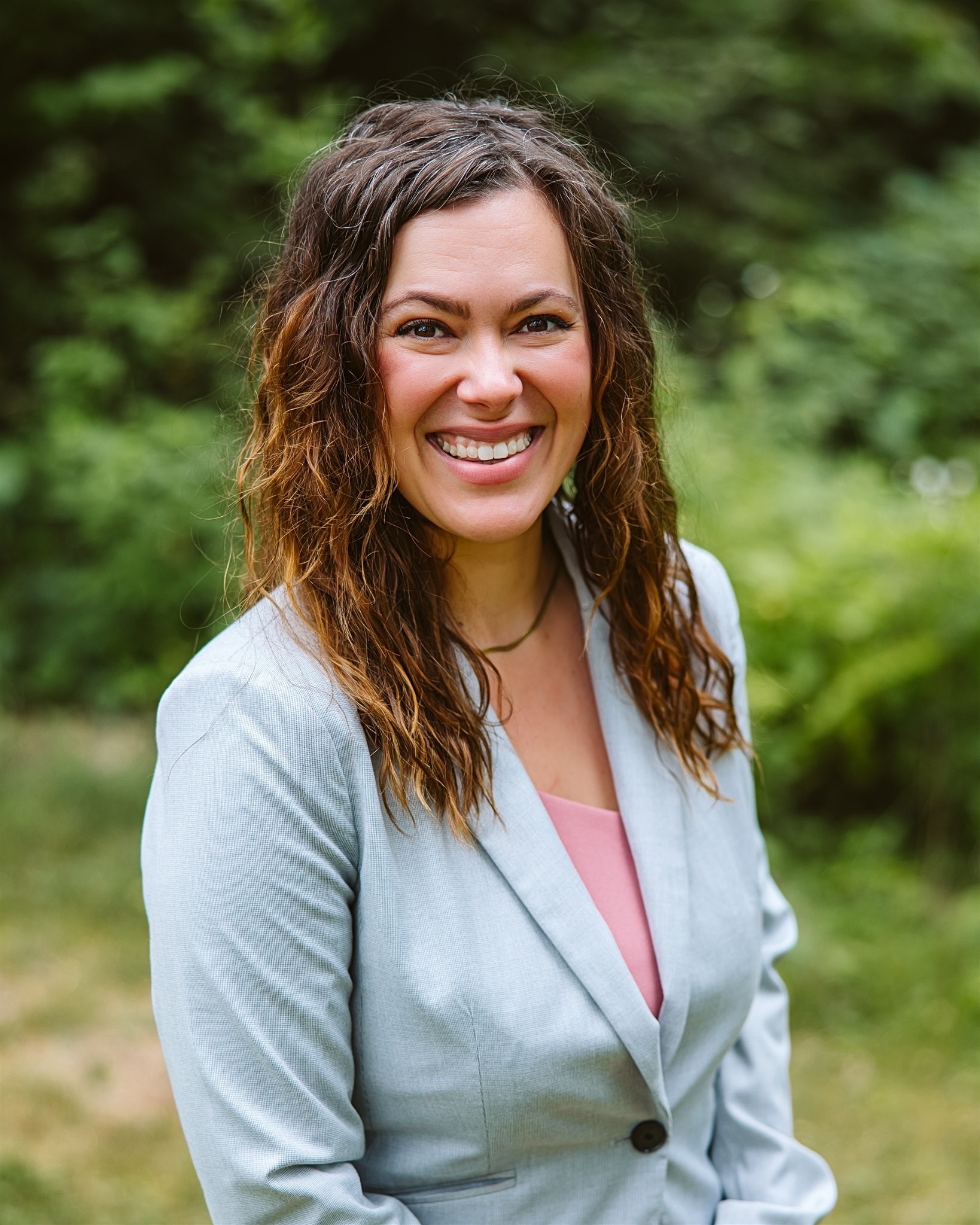
 Jessica Spanswick’s ’10 path to a life of service didn’t begin in one place, but it took clearer shape during her high school years in Perham, Minnesota. Influenced by her father—who grew up on a farm and later saw the world through his time in the Navy—she carried an early awareness that there was more beyond what she could immediately see. That awareness took on new meaning when she arrived at Augsburg.
“At Augsburg, learning wasn’t just something you studied—it was something you lived,” she said.
Through experiences in Cedar-Riverside and across the globe, Jessica began to understand how people, cultures, and systems are deeply connected—and how her own life might fit within that larger picture.
At Augsburg, that understanding was grounded in the idea of vocation. Jessica found language for something she had always felt but never quite defined: that her life and work could be part of something bigger than herself.
“I didn’t have a concept of vocation before Augsburg,” she said. “It helped me see that my path could be about contributing to something beyond just myself.”
At the same time, her Lutheran faith deepened in meaningful ways. In theology courses, she was challenged to think more critically about belief, context, and history, while her relationships in the community—especially tutoring immigrant students and adults—brought those questions into real, human connection.
“There was a lot of growth for me,” she reflected. “I was learning about other faiths and cultures, and also really thinking about what I believe. I started to see how many shared values there are across communities.”
Her semester in Namibia and South Africa during her sophomore year became a turning point. Living with host families and studying the histories of colonialism and apartheid offered a new way of seeing the world.
“It was completely eye-opening,” she said. “I started to understand how history and systems shape people’s lives—not just there, but here in the United States too.”
That way of thinking stayed with her.
“Once you start asking those questions—about history, about systems—you carry that lens with you wherever you go.”
Jessica carried that perspective into the years that followed, continuing to seek out opportunities to learn and serve. Her work took her to communities in Africa, Latin America, and the Caribbean—whether supporting students in rural South Africa, serving in the Peace Corps in the Dominican Republic, or studying migration and human rights during graduate school.
“Service can look like a lot of different things,” she said. “But for me, it was always about working alongside communities—learning first, and contributing where I could.”
Over time, that path led her back home. Jessica realized she wanted to bring what she had learned into her own community, where those same questions about systems, equity, and opportunity are just as present.
“I realized I could make the biggest impact in my own community,” she said.
Today, she works in Hennepin County in climate and resilience, focusing on the ways environmental challenges intersect with the lives of the most vulnerable residents.
“All of these issues are connected—climate, housing, migration,” she said. “And the same communities are often carrying the greatest impact.”
Jessica speaks about her work with clarity and conviction. She sees it not simply as a career, but as a continuation of her vocation—a way of contributing to something meaningful, alongside others.
“It’s a privilege to do work where you feel like you’re contributing to something bigger,” she said.
That sense of purpose, she says, began at Augsburg—where she was encouraged to engage deeply, to ask hard questions, and to see her life as part of a larger story of service. Jessica lives in St. Paul with her husband and son.
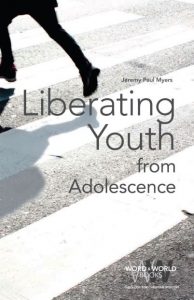 “I often say I love kids more than I love Jesus. I think Jesus is okay with this sentiment. In fact, I think Jesus prefers it this way. He can handle it. Jesus knows our young people are caged birds like the ones in Maya Angelou’s poem. I write this book to change the way we think about our young people so that we might love them as they are, not as we think they should be.”
 About the Author