bing pixel

Two Auggies Win Prestigious Goldwater Scholarships

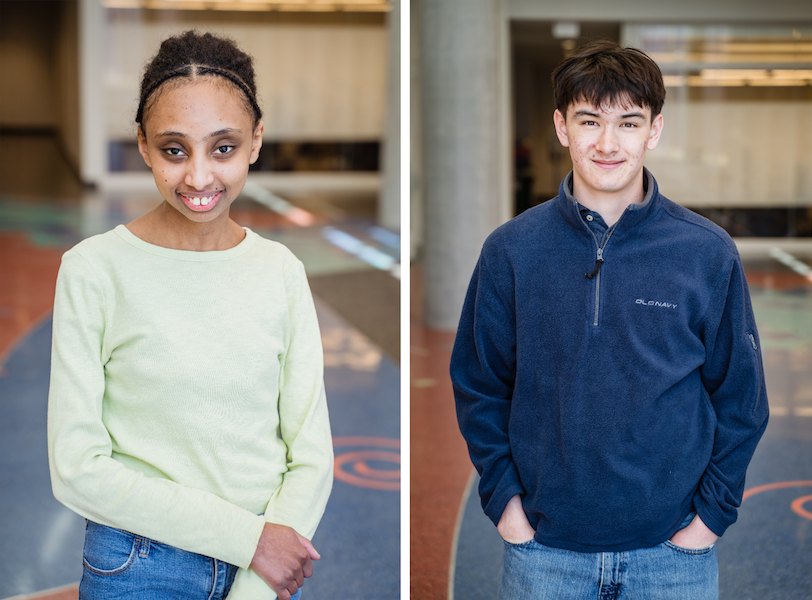
Ethiopia Kebede and Mitchel Munzing in the Hagfors Center lobbyTwo Augsburg undergraduate students, Ethiopia Kebede ’25 and Mitchel Munzing ’26, have been named 2025–26 Goldwater Scholars. The Goldwater Scholarship, one of the top undergraduate STEM awards in the country, recognizes outstanding students who intend to pursue research careers in the natural sciences, mathematics, and engineering. 
Kebede, a physics major, aims to pursue a PhD in astrophysics with a focus in stellar physics and eventually teach at the undergraduate level. In addition to conducting space physics research at Augsburg with Professor Emeritus Mark Engebretson, she creates and shares free math videos via YouTube to address the shortage of STEM educators in remote places. 

“One of my memories from grade school is rotating the handle of a generator in a physics lab,” said Kebede. “I remember feeling satisfied when the generator finally lit up the bulb attached to it. From then on, I enjoyed science as a clever way of solving problems. I am excited to pursue a lifelong career in the subject that I love—physics.” 

Munzing, a biochemistry major, intends to pursue a PhD to continue research in organic and green chemistry. Outside of the classroom, he is a member and incoming captain of the Augsburg men’s soccer team, where he has been recognized with the Ed Saugestad Award for outstanding student-athlete.

“This past summer I had the opportunity to conduct research in an organic chemistry lab with Dr. Michael Wentzel,” said Munzing. “While at the start the experiments I ran didn’t go as planned, eventually I was able to synthesize biologically significant compounds. Spending the necessary time to [become an expert in a specific field] requires patience, but the reward of discovery makes it worth it.”

This year, Augsburg is one of Minnesota’s top producers of Goldwater Scholars. Applicants for the Goldwater Scholarship are nominated by faculty, sponsored by their academic institutions, and selected by the Barry Goldwater Scholarship and Excellence in Education Foundation. Kebede and Munzing were chosen from a pool of 1,350 applicants nationwide. 

“To have two winners is really terrific,” said Professor Jacqueline deVries, who supports students through the application process as director of major grants and fellowships in Augsburg’s Office of Undergraduate Research and Graduate Opportunity (URGO). “The Goldwater Scholarship is one of the most prestigious scholarships an undergraduate can win in science, engineering, and mathematics.”

Learn more about the Goldwater Scholarship program.

Paul Pribbenow Named the University of Chicago Divinity School’s 2025 Alum of the Year

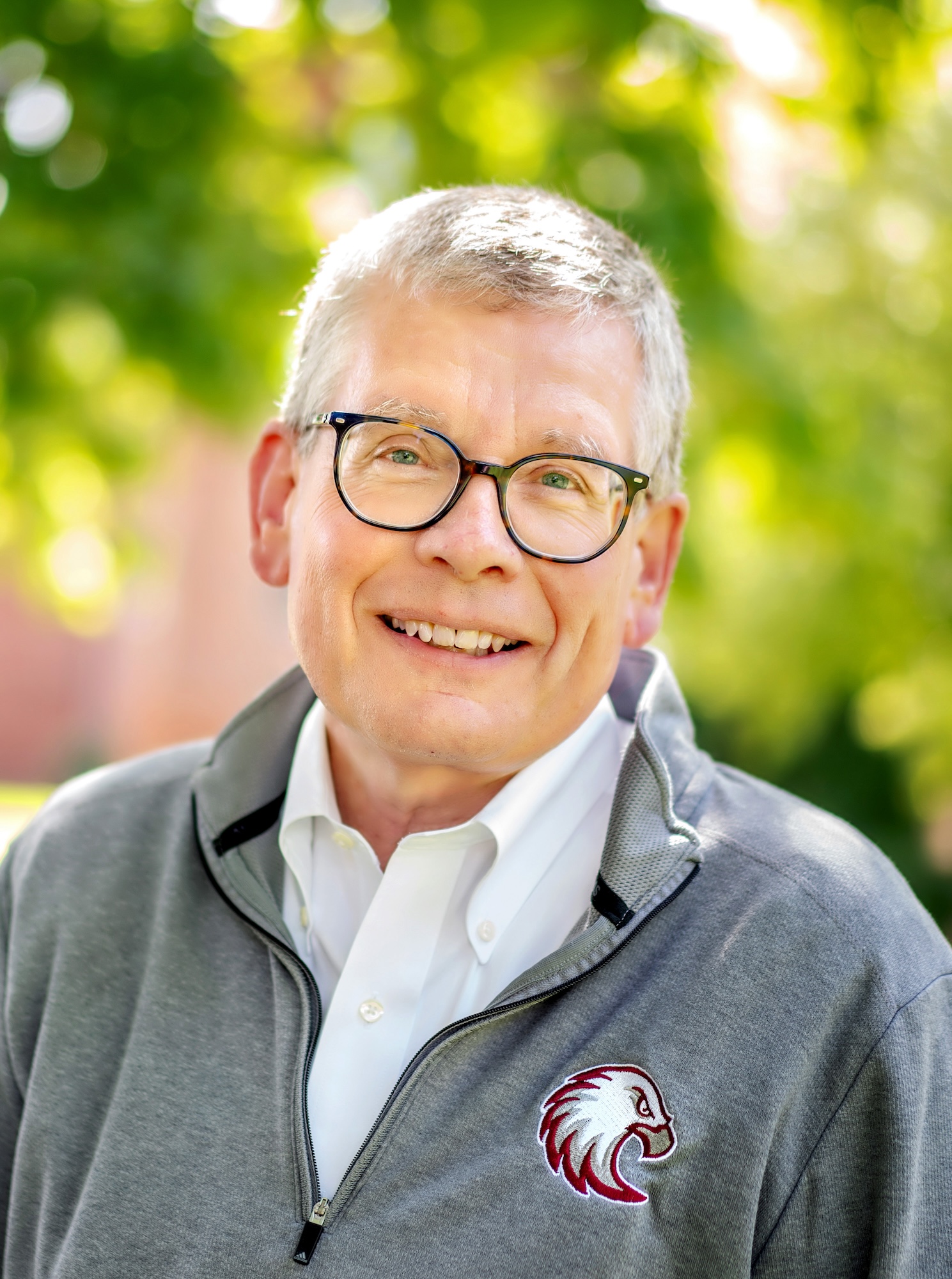
Paul Pribbenow smiles against a leafy green background. He is wearing a white shirt and a gray Augsburg fleece.The University of Chicago Divinity School announced this week that Paul Pribbenow, AM ’79, PhD ’93, president of Augsburg University, has been named the 2025 Alum of the Year. This honor recognizes Pribbenow’s distinguished career in higher education, his commitment to civic engagement, and his leadership in fostering inclusive and ethical communities.

Since assuming the presidency of Augsburg University in 2006, Pribbenow has been a champion for access and equity in education, working to expand opportunities for students from myriad backgrounds. Under his leadership, Augsburg has strengthened its commitment to urban education, interfaith dialogue, and community-based learning, reflecting a deep alignment with the Divinity School’s mission of rigorous inquiry and engagement with society’s most pressing moral and ethical questions.

“I am deeply humbled and honored by this recognition, which is especially poignant following the death of Professor Martin Marty, who so influenced the trajectory of my life and leadership,” Pribbenow said. “The ideas that shaped me as a student have continued to anchor my work in the decades since: that religion can be a force for good in the world, that pluralism is a source of strength, and that education is the heart of a thriving society.”

Pribbenow, who earned his PhD in social ethics, is widely recognized for his scholarship in philanthropy, ethics, and public life. His work bridges academic inquiry and practical leadership, demonstrating how theological and ethical perspectives can positively influence institutions and communities. Beyond his role at Augsburg, he has contributed to numerous civic and higher education initiatives, reinforcing his reputation as a thoughtful and engaged leader in both academic and public spheres.

“Paul Pribbenow exemplifies the values of the Divinity School through his unwavering commitment to ethical leadership and the transformative power of education,” James T. Robinson, dean of the University of Chicago Divinity School, said. “We are happy to recognize him as our 2025 Alum of the Year, celebrating his impact as both a scholar and a leader who continues to shape public life with wisdom and integrity.”

A vital member of the Divinity School community, Pribbenow’s engagement in the life of the school has been significant. While he matriculated, he managed Swift Hall’s student-run coffee shop, Grounds of Being, from which all proceeds benefit the Divinity Student Council. As an alum, he continues to be active as a current member of the Divinity School Advisory Council, serving at various intervals since 1996.

The University of Chicago Divinity School will celebrate Pribbenow’s achievements at an awards ceremony on May 2, 2025. As part of the event, he will deliver a keynote address entitled “Wrestling with Angels: Higher Education Leadership in a Moral Key,” reflecting on his career, the role of ethics in public leadership, and the enduring impact of his Divinity School education.

For more information about the Alum of the Year award and the upcoming celebration, please visit divinity.uchicago.edu/about/events or contact divinitycommunications@uchicago.edu.

Special Olympics Minnesota Honors Augsburg With Health Leadership Award

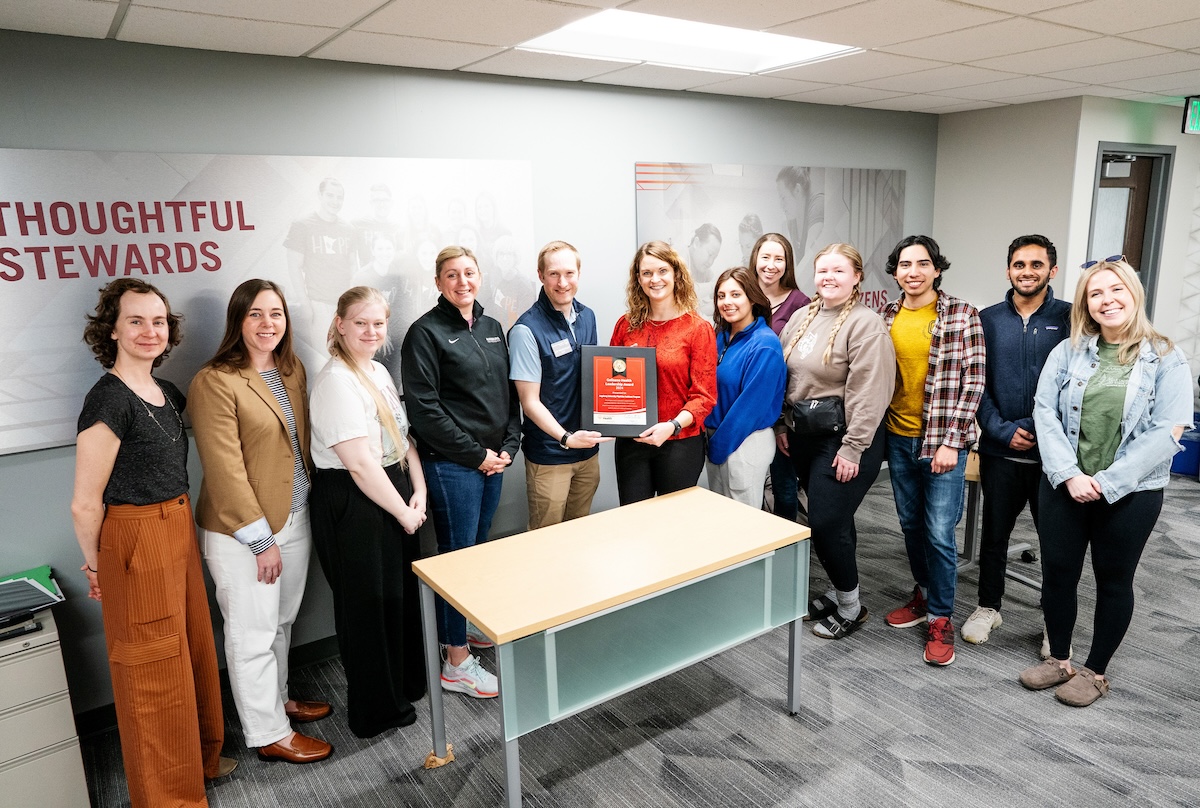
Members of Augsburg's Physicians Assistant Program receive the Golisano Health Leadership Award from Special Olympics Minnesota.At a special presentation earlier this month, the Augsburg University Physician Assistant Studies Program received the Golisano Health Leadership Award from Special Olympics Minnesota. 

For more than three years, Augsburg has proudly partnered with Special Olympics to integrate an inclusive curriculum for more than 100 PA students and faculty. What started as a classroom lecture has evolved into a multifaceted partnership, including:

  • Panel presentations by Special Olympics Ambassadors, where students gain firsthand insights from athletes into the principle of “Nothing about me, without me!” in patient care.
  • Immersive experiences, such as healthy athlete annual physical exam screenings.
  • Hands-on training sessions with athletes during simulated clinic visits.
  • More than 250 hours of Special Olympics volunteer work at the Community Health Fair, Polar Plunge, and sporting events.

“These initiatives not only enrich our students’ education but also prepare them to meet the evolving needs of our communities,” said Vanessa Bester, associate professor of PA studies and director of Augsburg’s School of Health. “We are deeply honored to be recognized for this partnership and the impactful work we continue to do.” 

The Golisano Award recognizes health champions—leaders and organizations—that are making a significant contribution to equal access to health, fitness, or wellness for people with intellectual disabilities. It is the highest Special Olympics honor for health partners and serves to promote awareness of the progress and extraordinary efforts toward fulfilling the goals, values, and mission of Special Olympics Health work.

“It’s really reassuring to know that the future generation of PAs are going to be more comfortable working with our athletes and they feel comfortable going to you,” said Jeff Prendergast, senior health programs manager at Special Olympics Minnesota, who presented the award. “I know that if I have an athlete or family looking for care and I find someone that has been educated and trained at Augsburg, I feel very comfortable referring them to you.”

Learn more about Augsburg’s Master of Science in Physician Assistant Studies.

Washington Post Highlights Augsburg’s Experience With Direct Admissions

The Washington Post logoOn March 6, The Washington Post featured Augsburg second-year Anna Miranda and Stephanie Ruckel, director of strategic enrollment management, in an article exploring the movement towards direct admissions across higher education. Augsburg moved to a direct admissions model as part of its Augsburg Applies to You initiative in 2022, and participates in the state Direct Admissions Minnesota program.

“Getting the [direct admissions] letter kind of knocked down a barrier,” Miranda said in the interview. “It made me feel more confident.” Ruckel noted that direct admissions can be particularly helpful to first-generation students, easing the fear of rejection and encouraging students to ask more probing questions about whether the school is a fit.

Read the full article via The Washington Post: “More state colleges are admitting students — before they apply”

Augsburg Launches Minnesota’s First Doctor of Medical Science Program

In fall 2025, Augsburg University will welcome the initial students to a first-of-its-kind doctoral program in Minnesota. The Doctor of Medical Science program offers physician assistants/associates (PAs) a pathway to career advancement in health care leadership and administration, research, public policy, academia, and specialized clinical practice. 

“Augsburg has a proud history of innovation, from establishing Minnesota’s first PA program in 1994 to now launching the state’s first PA-doctorate program,” said Associate Professor Vanessa Bester, director of Augsburg’s School of at Health. “The Doctor of Medical Science program continues this tradition of excellence, equipping PAs to excel as leaders, educators, scholars, entrepreneurs, and administrators.” 

The DMSc degree is an applied doctorate that emphasizes practical, real-world skill development in health care leadership and scholarship. Delivered in a fully asynchronous online format, Augsburg’s DMSc is a four-semester, 16-month program designed for working PAs seeking professional advancement. To be eligible for admission, students must hold a master’s degree in PA studies (MPAS, MSPAS, or equivalent) or a bachelor’s degree plus a minimum of five years practicing as a licensed physician assistant.

“Augsburg’s DMSc program is unique in its whole-person approach,” said DMSc Program Director Diana Soran. “The curriculum prepares students to develop critical leadership, research, and management skills while also aligning their coursework to support career growth. This intentional design prepares graduates for long-term success and fulfillment both professionally and personally.”

Career possibilities for DMSc graduates include director of clinical operations, graduate faculty member, principal investigator, health policy advisor, health startup development, and advanced practice provider in complex or specialized care settings.

“PAs bring a unique and indispensable perspective to health care, bridging gaps in care and fostering collaboration across medical teams,” said Bester. “By integrating health equity, inclusion, and innovation into real-world application, this transformative pathway empowers PAs to drive meaningful change in health care and in our communities.” 

In addition to the DMSc, Augsburg offers doctoral degrees in nursing and clinical psychology. 

To learn more, visit the DMSc program website.

Pribbenow and Private College Presidents Advocate for Financial Aid Fairness

MinnPost logoIn a January 22 opinion piece published in MinnPost, Augsburg University President Paul C. Pribbenow joined the presidents of 16 other private colleges in advocating for need-based financial aid for all Minnesota students. In it, the presidents argued for greater investment in the Minnesota State Grant program and financial aid fairness for low-income students regardless of where in the state they attend college.

“Public colleges alone cannot solve our social and economic challenges, nor should they be expected to do so,” they wrote. “Private nonprofit colleges serve these same public purposes. To meet its workforce development and social mobility goals, the state needs to increase financial investments in all students with demonstrated need and take full advantage of all of Minnesota’s educational assets—including its stellar private colleges.”

Read the full article via MinnPost: “All Minnesota college students deserve financial aid fairness”

Augsburg Builds Pipeline of School Social Workers and Counselors

An empty public school hallway with blue lockers on the left and classrooms on the rightAmid an urgent need for more support personnel in K-12 schools, Augsburg University is piloting a new program to train the next generation of school social workers and school-based therapists.

“Lots of social work students want to work in education,” says Associate Professor Erin Sugrue, who chairs Augsburg’s social work department. But the requirement to complete at least one year-long internship in a school setting creates a structural hurdle for students who can’t afford to spend a year or more in an unpaid position. As a result, many internship placements in public schools go unfilled each year. 

Augsburg’s new program, developed by Sugrue and led by Assistant Professor Christopher Thyberg, aims to support a cohort of students through the critical internship year and ultimately into careers in education. In its first year, 28 undergraduate and master’s social work students are interning as school social workers and school-based mental health providers. Participants receive a monthly living stipend and reimbursement for transportation and licensure expenses thanks to state grant funding

In addition to financial support, the students gather multiple times a semester to build community and explore key issue areas in education. These sessions have tapped into the expertise of faculty colleagues in Augsburg’s education department, delving into topics like multilingual learners with Assistant Professor Yacoub Aljaffery and special education with Assistant Professor Sergio Madrid-Aranda during the fall semester. Sugrue hopes that this collaboration will lead to more formal partnerships between the education and social work programs in the future, including co-listed classes. 

Augsburg participants in the initial cohort are completing internships in K–12 school districts throughout the metro area, including Minneapolis, Saint Paul, Robbinsdale, Rosemount–Apple Valley–Eagan, Champlin, Brooklyn Park, Anoka–Hennepin, Spring Lake Park, Hopkins, Columbia Heights, and charter schools. After graduation, they will be prepared to pursue careers as either school social workers or school-based mental health providers. Both play a key role in supporting students in K-12 settings.

“School social workers serve as the link between family, home, and school,” said Sugrue, who spent more than a decade as a school social worker herself. “They are concerned with students’ overall emotional, psychological, and social well-being.” Typically employees of the school district, school social workers triage many different issues that may arise in a day, including attendance, conflict resolution, and substance use. 

School-based mental health providers focus more specifically on students’ mental health concerns. While they deliver counseling and other therapeutic services on-site at school, they are often employed by an outside agency and can bill insurance. 

To date, Augsburg has received $411,000 to develop the new cohort model from the state Student Support Personnel Workforce Pipeline grant program, administered by the Minnesota Department of Education. The grant program aims to support students in completing accredited programs and becoming licensed school psychologists, school nurses, school counselors, and school social workers, and to increase the number of student support personnel providers who identify as people of color or Indigenous. A separate $125,000 grant from the Minnesota Department of Employment and Economic Development supports students in the program with a specific interest in becoming school-based mental health providers. 

Learn more about Augsburg’s Master of Social Work and Bachelor of Social Work programs.

Revolutionary Love: Augsburg University Interfaith Symposium to Feature Valarie Kaur

Valarie Kaur is wearing a black top with red and white patterns. She has black wavy hair and is standing in front of a wall with a mirror and framed pictures.
Photo by Jiro Schneider

Augsburg University will offer its third annual Interfaith Symposium at 11 a.m. on Thursday, February 27, 2025, featuring visionary civil rights leader Valarie Kaur. The Interfaith Symposium is an annual invitation to students and community members to learn about religious, spiritual, and worldview diversity and connect with exceptional interfaith leaders. This event is free and open to the public.

Kaur’s keynote address, “Revolutionary Love Is the Call of Our Times,” will draw on her work to inspire and equip people to build beloved community through the Revolutionary Love Project she founded. Rooted in the belief that an ethic of love is essential to birthing a healthy, multi-racial democracy and a sustainable planet, the Revolutionary Love Project produces educational tools, training courses, artwork, films, music, and mass mobilizations to empower citizens from all walks of life to harness love as a force for justice.

As a civil rights leader, lawyer, award-winning filmmaker, and educator, Kaur has led visionary campaigns to tell untold stories and change policy on issues ranging from hate crimes to digital freedom. A daughter of Punjabi Sikh farmers in California, she lifts up her vision for America in her acclaimed TED Talk and #1 LA Times bestseller, “See No Stranger: A Memoir and Manifesto of Revolutionary Love.” She is also the author of “Sage Warrior” and a children’s book, “World of Wonder.”

“Valarie’s message of revolutionary love is critically important at this time,” said Najeeba Syeed, El-Hibri Endowed Chair and executive director of Interfaith at Augsburg. “In particular, I look forward to the ideas she will offer our students to address social justice issues that impact their daily lives through coalition building strategies that she has used throughout her own career as a human rights lawyer and activist.”  

Following the keynote address, a luncheon and panel discussion will take place at 12 p.m., featuring conversation with Ted Chen, vice president for equity, culture, and learning, Margaret A. Cargill Philanthropies; Tamara Gray, founder and chief spirituality officer, Rabata; and Anantanand Rambachan, professor emeritus of religion, St. Olaf College. A limited number of seats will be available for $35. Sign up for the luncheon waiting list through the event registration link.

About Interfaith at Augsburg

Situated in a neighborhood home to numerous immigrant communities and with an increasingly diverse student body, Augsburg University is uniquely positioned to facilitate building bridges in a polarized world. Augsburg’s commitment to interfaith engagement is central to its mission, identified as a key outcome of its strategic plan, and rooted in its Lutheran theological heritage. Through interfaith education and intentional opportunities to strengthen interreligious communication, understanding, and relationships, Augsburg’s Interfaith Institute advances peacebuilding on campus, in the community, and beyond. Learn more at augsburg.edu/interfaith.

Professor Najeeba Syeed Highlights Interfaith Collaboration Following L.A. Fires

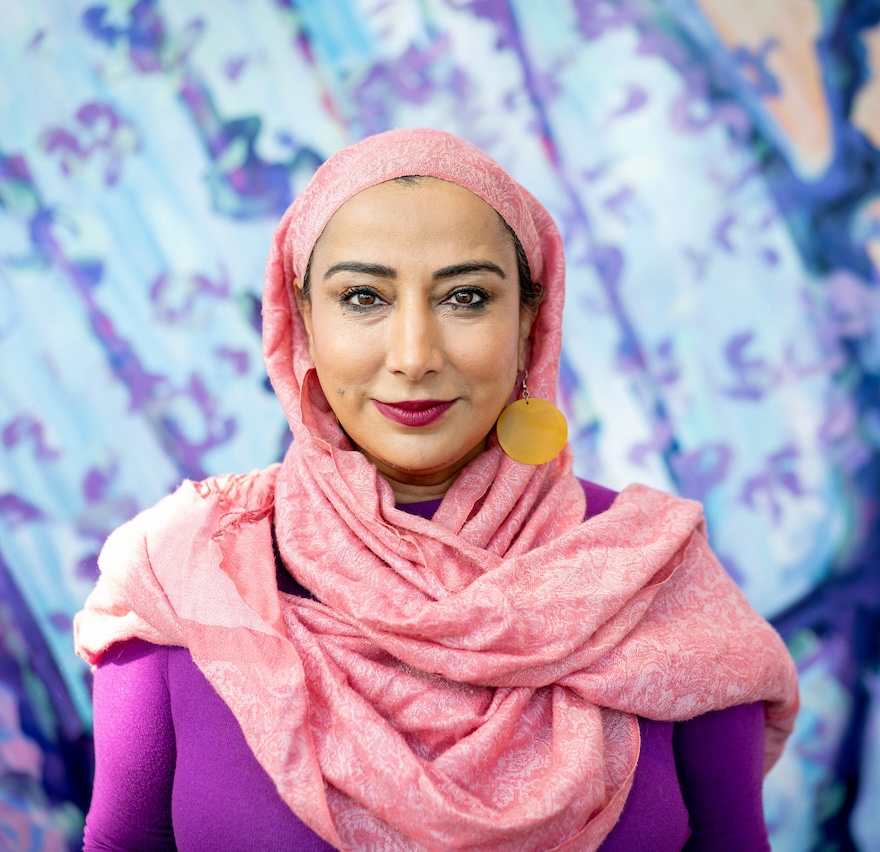
El-Hibri Chair Najeeba Syeed wears a pink headscarf, gold earrings, and a purple top against a blue and purple background.Najeeba Syeed, El-Hibri Endowed Chair and executive director of the Interfaith Institute at Augsburg University, was interviewed by national media about the devastating fires in Southern California, which have destroyed at least a dozen houses of worship in the Los Angeles area. 

In a January 11 interview with Religion News Service, Syeed called attention to the long history of interfaith cooperation in Altadena, CA, where religious leaders have banded together to support victims of the fires even as they mourn the loss of sacred spaces. 

“They’re helping their own communities, but they’re also stepping up and stepping beyond and helping each other,” she said. “That’s part of the story—faith communities, even when they are damaged, still show up for the broader community.”

Religion News Service published a January 16 column by Syeed highlighting the ways that local youth have led volunteer recovery efforts across faiths, ethnicities, and languages. “[Our teens’] continued service and their steady moral compass make me excited to see the world they will run,” she wrote. “A world in which we don’t need a litmus test on your beliefs before we offer care, where your story is important to share no matter which income bracket you come from. A world in which the measure of our humanity is how much we show up for each other with an embodied empathy that asks, “What do you need, dear friend, who I may not know? Let me be there for you.””

Syeed was also interviewed for a January 17 Sojourners article about calls from local leaders to focus on equity and justice in rebuilding. In it, she lifted up the long-standing interfaith connections in Pasadena and Altadena. “People knew each other in the neighborhood and worked together before the fires,” she said. “What you’re seeing now is an outpouring of those relationships.”

Augsburg Charts Future Course With Five-School Model

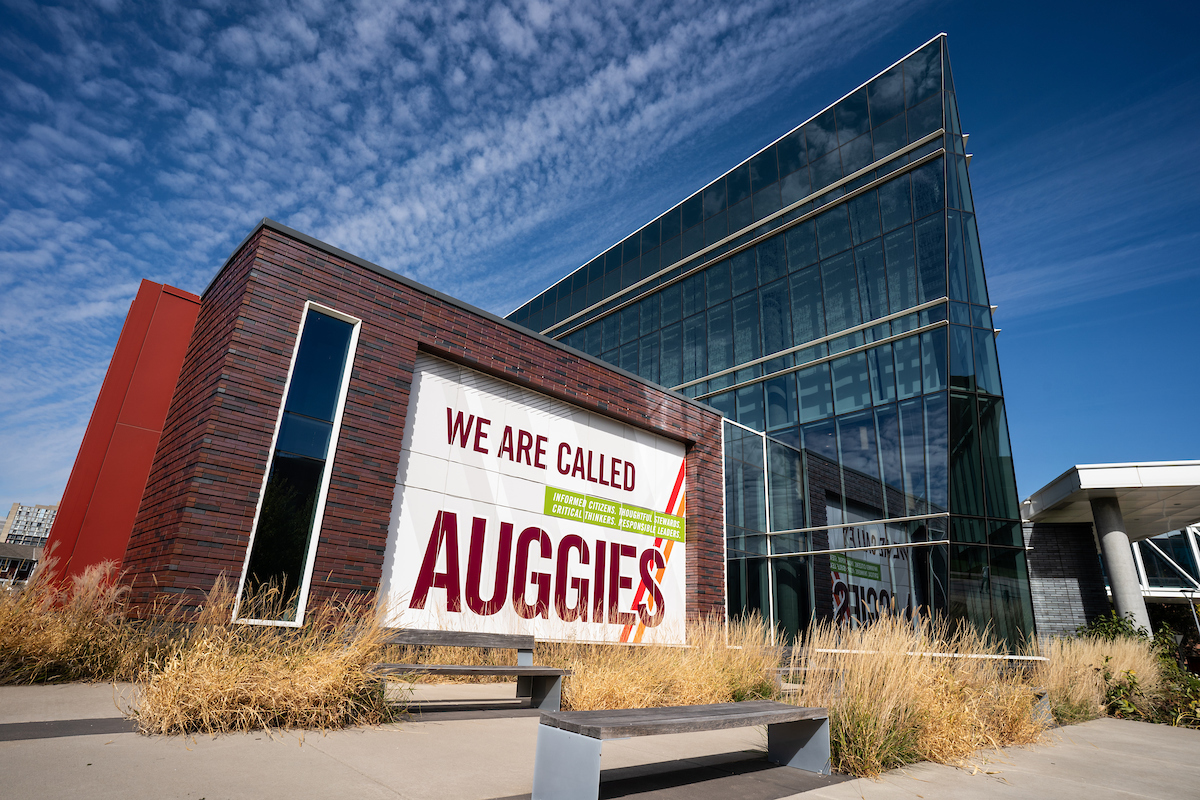
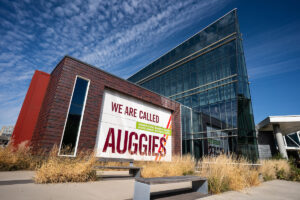
Exterior of Hagfors Center with "We are called Auggies" signAugsburg University has transitioned to a new academic structure to prepare students for successful careers, meaningful lives, and active citizenship in an integrated, constantly evolving world. 

As of the 2024–25 school year, Augsburg’s academic programs are organized into five schools focused on the arts, business, health, humanities and social sciences, and natural sciences. Each school is led by a faculty director. Previously, the academic programs were grouped into two large divisions focused on professional studies and liberal arts and sciences. 

“This is an exciting new chapter in Augsburg’s long tradition of academic excellence and our evolution as a student-centered university,” said Augsburg President Paul C. Pribbenow. “The five-school model leverages our unique strengths while creating new ways for students, faculty, and staff to collaborate and build community.” 

The move to a schools-based model is designed to foster collaboration, encourage innovation, and facilitate interdisciplinary exchange. It does not change the curriculum, the admissions process, or degrees granted by Augsburg, nor does it involve any changes to campus facilities at this time. 

“Ultimately, a schools-based model better aligns Augsburg’s organizational structure with who we are, how we work today, and how we want to work in the future,” said Paula O’Loughlin, provost and senior vice president for academic and student affairs. “The schools serve as smaller academic neighborhoods where students have closer ties with peers and mentors, greater support for career exploration, and a deeper sense of belonging—all of which empowers them to succeed in their professional lives and as leaders in their communities.”

John N. Schwartz ’67 School of the Arts

The John N. Schwartz ’67 School of the Arts (Christopher Houltberg, director) houses the narrative, performing, and visual arts at Augsburg. Drawing together Augsburg’s strength across the arts, the Schwartz School is home to 10 undergraduate majors, two graduate programs, five performing ensembles, three art galleries, multiple annual theater productions, and the Design & Agency trans-disciplinary design studio. With linkages throughout the vibrant Twin Cities arts community and an intentional focus on building collaborative skills, Schwartz School students graduate with ready-made professional networks and enhanced job opportunities across diverse creative fields. 

School of Business

The School of Business (Jeanne Boeh, director) cultivates experiential learning, innovation, and entrepreneurship to equip students for successful careers. Close ties with the corporate community provide a wealth of practical expertise and career opportunities for students at the undergraduate and graduate level. The school offers 12 undergraduate majors, two graduate programs, and signature hands-on learning experiences like the Augsburg Entrepreneurship Cup and the Innovation Scholars program.

School of Health

The School of Health (Vanessa Bester, director) unites the strengths of Augsburg’s nationally accredited nursing, physician assistant, clinical psychology, and social work programs to develop graduates who meet the diverse health and wellness needs of local and global communities. Students prepare to practice in a range of professional environments through community-based experiential learning with an emphasis on social justice, clinical excellence, and inter-professional collaboration. With two undergraduate majors and seven graduate programs, the School of Health builds on Augsburg’s strength as a regional leader in healthcare education and workforce development.  

School of Humanities and Social Sciences

The School of Humanities and Social Sciences (Lori Brandt Hale, director) advances Augsburg’s rich tradition of liberal arts education to equip students for full participation in a diverse and complex world. The School of Humanities and Social Sciences carries the heart of Augsburg’s mission-based commitments to cultural awareness and engagement with community into the curriculum through 36 undergraduate majors, two graduate programs, and a host of experiential learning opportunities on campus, in the neighborhood, and around the world. Graduates pursue careers in law, primary and secondary education, higher education, government, non-profit agencies, public policy, religious leadership, publishing, and more. 

School of Natural Sciences

The School of Natural Sciences (Ben Stottrup, director) prepares students to excel in STEM-related fields and graduate education. State-of-the-art classrooms, equipment, and labs in the Hagfors Center for Science, Business, and Religion facilitate interdisciplinary learning in 14 undergraduate majors and across the curriculum. The School of Natural Sciences is a hub for student research through programs like PRISM Scholars, TRIO McNair Scholars, and Zyzzogeton, Augsburg’s annual student research symposium. Working closely with natural sciences faculty, students develop a growth mindset and explore professional opportunities, preparing for careers that exist today and those that will be created in the future.